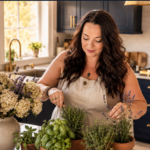

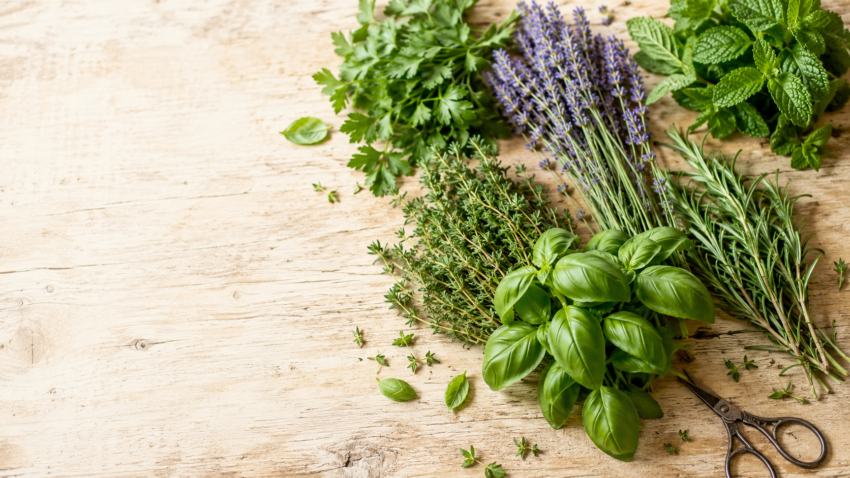
Herb gardens are having a moment. Pinterest data shows pin saves for culinary herbs up 900% in the last month alone, and it’s easy to see why: a windowsill of fresh basil, thyme, and lavender does more for a kitchen than almost anything else you can grow. These plants are compact, forgiving, and deliver an outsized return — a few snipped leaves can turn a plain weeknight dinner into something that tastes intentional.
This post contains affiliate links, which means I may earn a small commission if you click through and make a purchase — at no extra cost to you. As an Amazon Associate I earn from qualifying purchases. I only link things I’d actually put in my own garden cart, so consider it a very biased, very enthusiastic recommendation.
Whether you’re starting your first pot of basil or expanding a backyard bed, this guide walks through the 13 culinary herbs home cooks are searching for right now: what they taste like, how to grow them, and how to actually use them once they’re ready to harvest.
Why Culinary Herbs Are Trending Right Now
The appeal isn’t just flavor. Fresh herbs are inexpensive to grow compared to buying store-bought clamshells that wilt within days, they require very little space, and many double as fragrant additions to a home even when they’re not headed for the cutting board. Lavender and chamomile, in particular, sit at the intersection of “kitchen herb” and “self-care ritual,” which is a big part of why they’re showing up in so many home and garden feeds alongside more traditional cooking herbs like basil and parsley.
The other draw is versatility. A single herb like thyme or oregano can carry a dish from breakfast to dinner, work fresh or dried, and pair with cuisines from Italian to Middle Eastern. That kind of flexibility is exactly what makes a small herb garden worth the counter space.

1. Basil
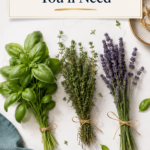
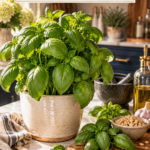
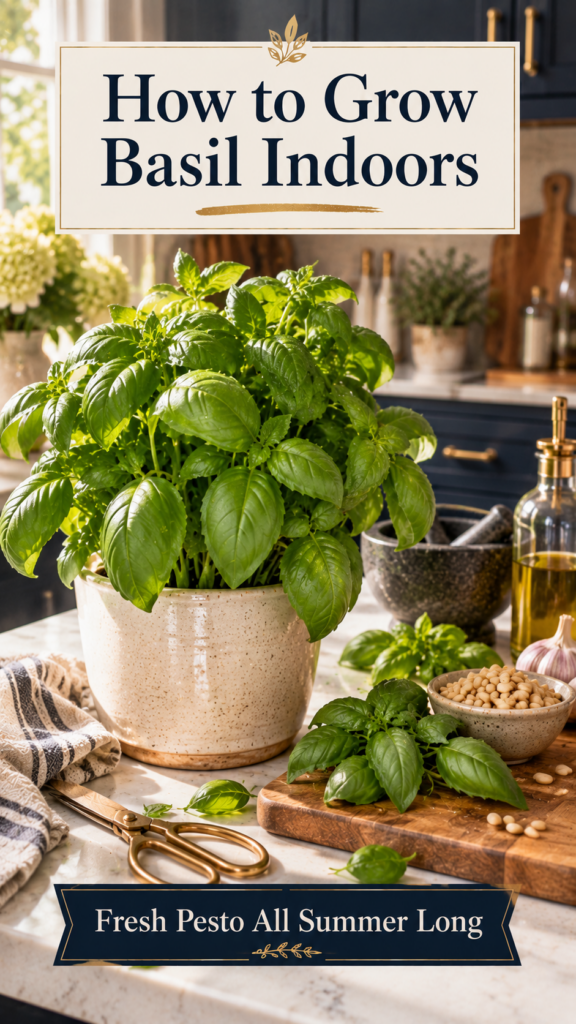
Basil is the anchor of any culinary herb garden — sweet, slightly peppery, and unmistakably linked to Italian cooking (think pesto, caprese salad, and tomato sauce), though Thai basil brings an anise-forward twist to Southeast Asian dishes.
Growing tips: Basil loves heat and sun — give it at least six hours of direct light a day and well-draining soil. It’s frost-sensitive, so keep it indoors or in containers if your nights dip below 50°F (10°C). Pinch off flower buds as they appear to keep the plant producing tender leaves instead of going to seed.
In the kitchen: Add basil at the end of cooking or use it raw — heat mutes its flavor quickly. It’s the backbone of pesto and pairs beautifully with tomatoes, mozzarella, garlic, and olive oil.
My go-to for starting basil from scratch is this herb seed starter kit — it takes the guesswork out of germination for beginners.
2. Thyme
Thyme brings an earthy, slightly minty flavor that holds up well to long cooking times, which makes it a staple in braises, roasts, soups, and stocks.
Growing tips: This Mediterranean herb thrives on neglect — it prefers dry soil, full sun, and minimal fertilizer. Overwatering is the most common way to kill it. Established thyme is also perennial in most climates, coming back year after year with little maintenance.
In the kitchen: Thyme’s woody stems mean it can go in early with onions, garlic, and other aromatics without breaking down. It’s a natural match for roasted chicken, root vegetables, and bean dishes.
3. Lavender
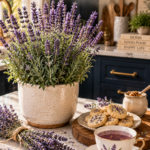
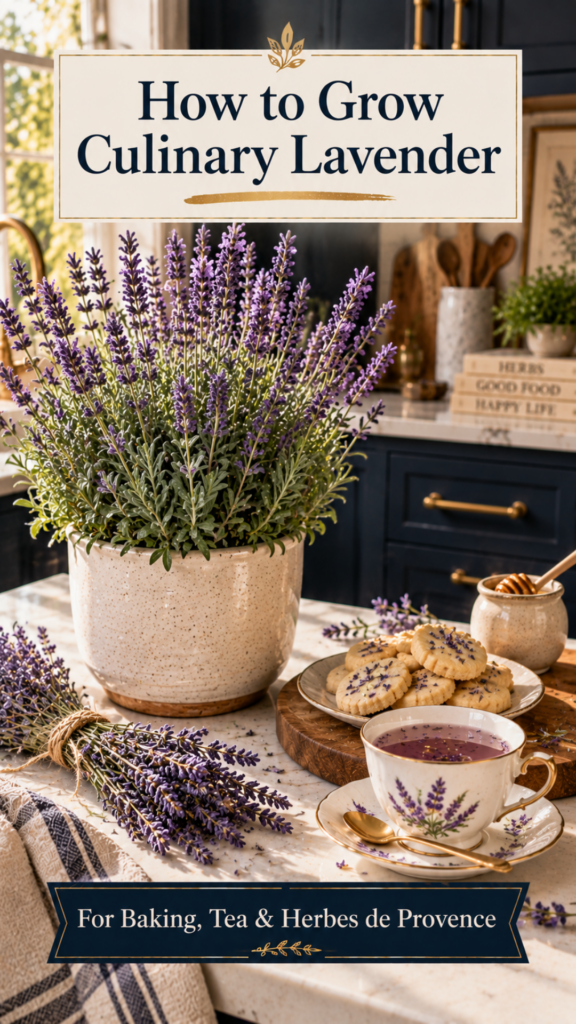
Lavender’s floral, slightly sweet flavor makes it as much a baking and beverage herb as a savory one, though a small amount goes a long way — too much reads as soapy.
Growing tips: Give lavender full sun and, above all, excellent drainage; it’s more likely to struggle from wet roots than from cold. A gritty or sandy soil mix mimics its native Mediterranean hillsides.
In the kitchen: Culinary lavender (look for varieties labeled food-grade, like English lavender) is popular in shortbread, lemonade, honey infusions, and herbes de Provence blends.
4. Parsley
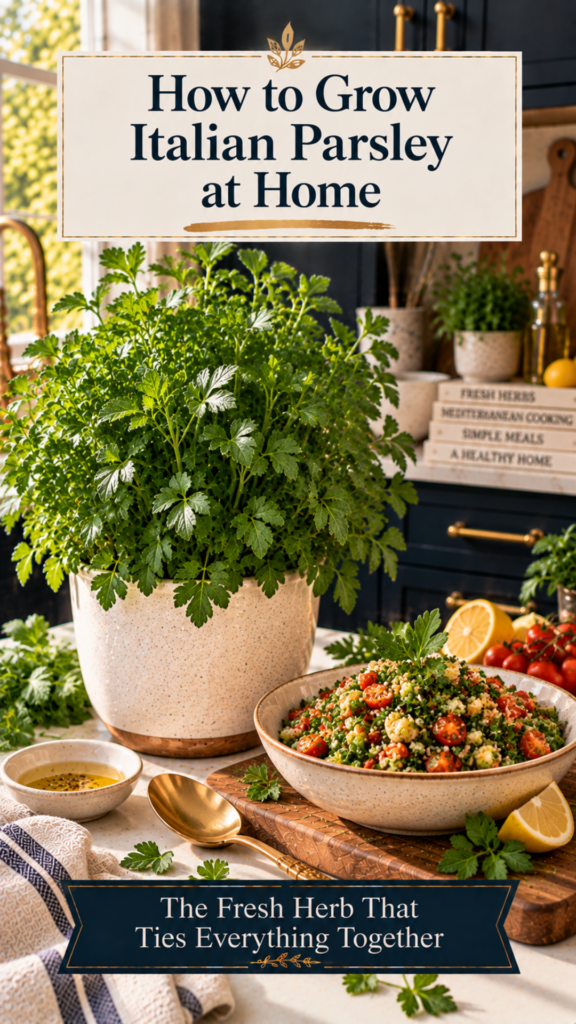
Parsley is the workhorse herb that quietly improves almost anything — bright, grassy, and clean-tasting, with flat-leaf (Italian) parsley preferred for cooking and curly parsley often used as garnish.
Growing tips: Parsley grows well in partial shade to full sun and prefers consistently moist soil. It’s biennial, meaning it will often survive a mild winter and bolt (flower) in its second year.
In the kitchen: Use it as a finishing herb to add freshness — stirred into grain salads, blended into chimichurri, or scattered over roasted vegetables just before serving.
5. Rosemary
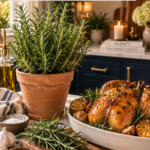
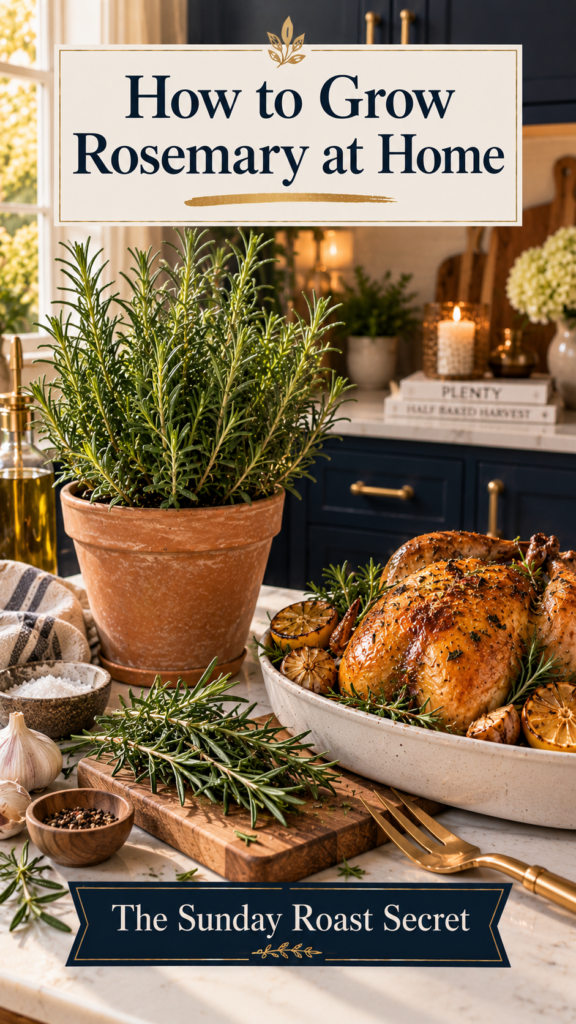
Rosemary’s piney, resinous flavor is potent, so a little goes further than most herbs. It’s especially popular with roasted meats and potatoes.
Growing tips: Like thyme, rosemary is drought-tolerant once established and prefers full sun with sharp drainage. In colder climates, it’s often grown in a pot that can be brought indoors for winter, since it isn’t reliably frost-hardy everywhere.
In the kitchen: Rosemary sprigs hold up well to high heat, making them ideal for roasting, grilling, and infusing oils. Finely mince it if adding to baked goods like focaccia so the texture stays pleasant.
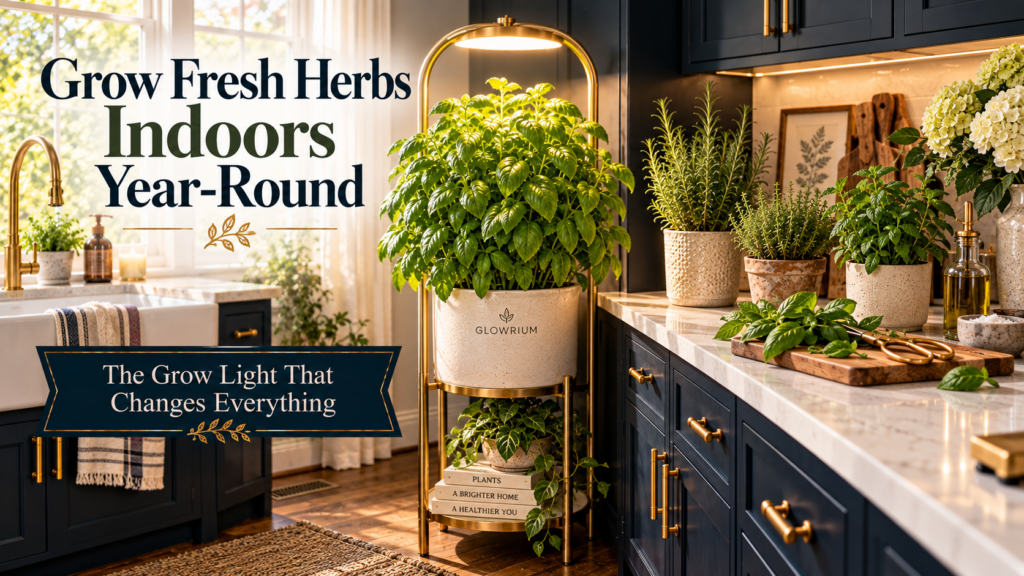
If you’re overwintering rosemary indoors, a small grow light makes a bigger difference than a sunny windowsill alone — this is the one I actually use.
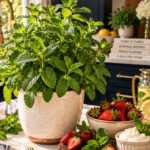
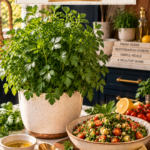
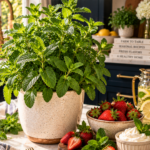
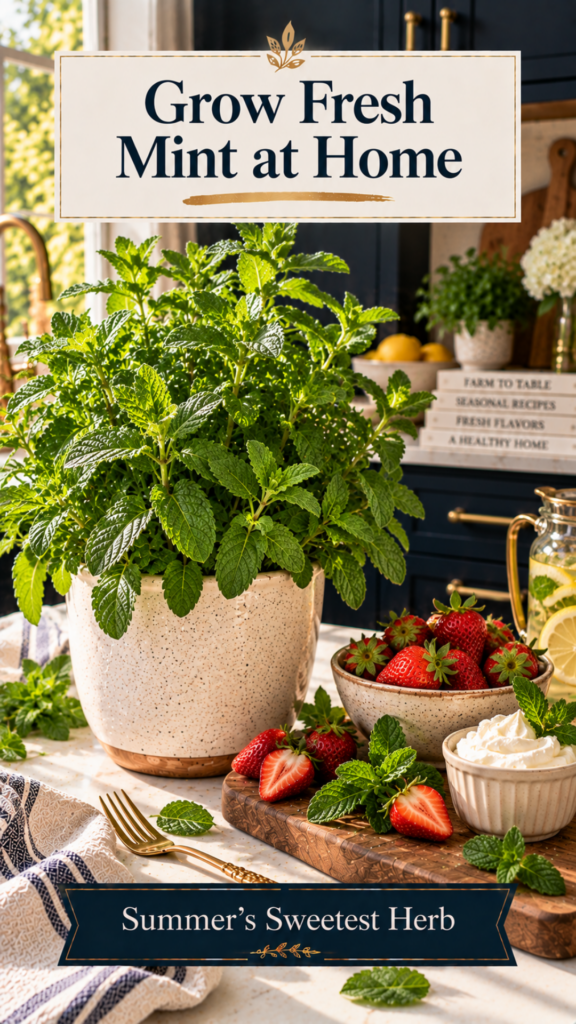
6. Mint (and Peppermint)
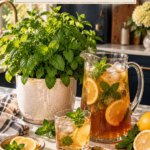
Mint is cool, sweet, and assertive — a little transforms drinks and desserts, while too much can overwhelm a dish. Peppermint, a specific mint variety, has an even sharper, more menthol-forward flavor and is a favorite for tea.
Growing tips: Mint is famously vigorous — plant it in a container rather than directly in the ground, or it will spread aggressively through a garden bed. It tolerates partial shade better than most herbs and likes consistently moist soil.
In the kitchen: Mint pairs naturally with lamb, peas, yogurt-based sauces, and fruit, and it’s the defining flavor in mojitos, mint tea, and tabbouleh.
Learn from my mistakes and give mint its own container from day one — I let it loose in a garden bed once and I’m still finding it three summers later.
7. Chives
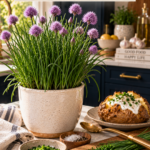
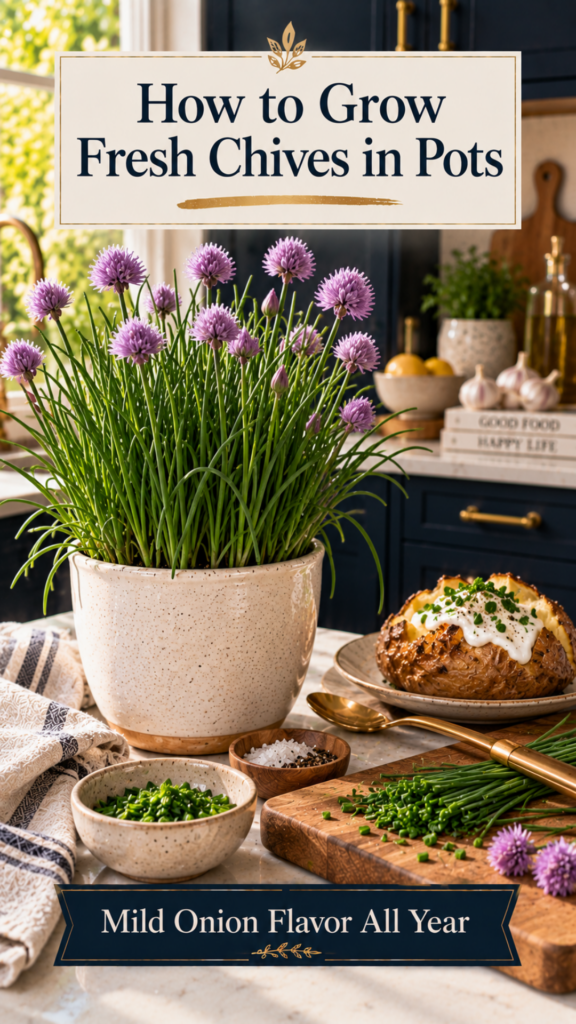
Chives offer a mild, fresh onion flavor without the sharpness of a raw onion, making them one of the easiest herbs to use generously.
Growing tips: Chives are hardy, perennial, and low-maintenance — they tolerate a range of soil conditions and even some shade. Snip from the outer leaves and they’ll keep regrowing through the season.
In the kitchen: Best used raw or added at the very end of cooking, since heat dulls their flavor quickly. Classic on baked potatoes, in egg dishes, and stirred into sour cream or soft cheeses.
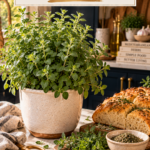
8. Oregano
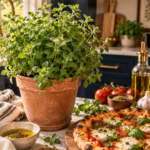
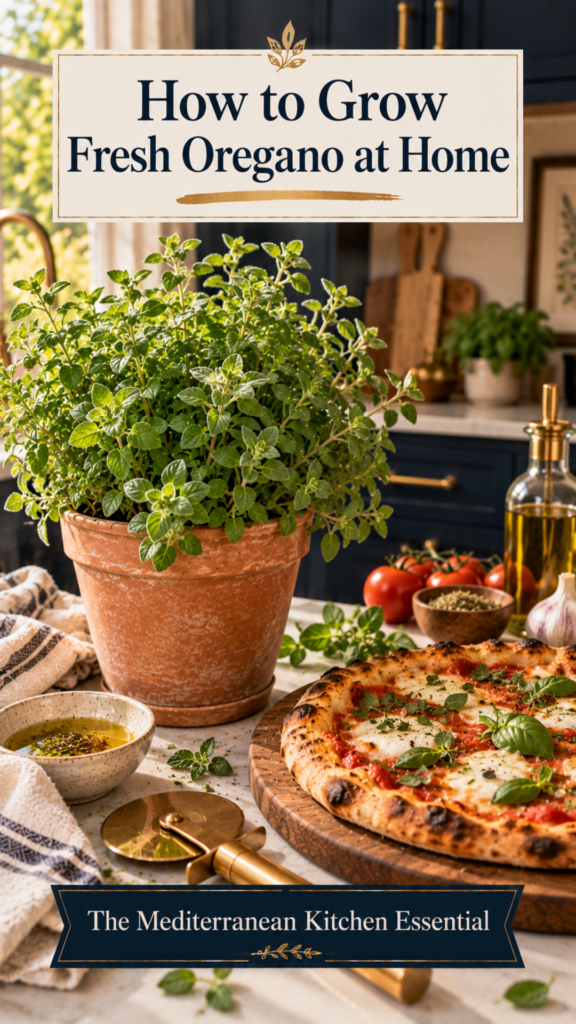
Oregano is pungent, slightly bitter, and closely associated with Mediterranean and Mexican cooking (Mexican oregano, a different species, has a more citrusy, slightly licorice note).
Growing tips: Full sun and well-draining soil are key; like other Mediterranean herbs, oregano’s flavor actually intensifies with a bit of stress from drier, leaner soil.
In the kitchen: Oregano holds up well dried, arguably better than fresh in some dishes — it’s a staple in tomato sauces, pizza, grilled meats, and Greek salads.
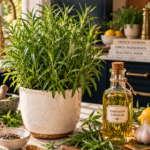
9. Tarragon
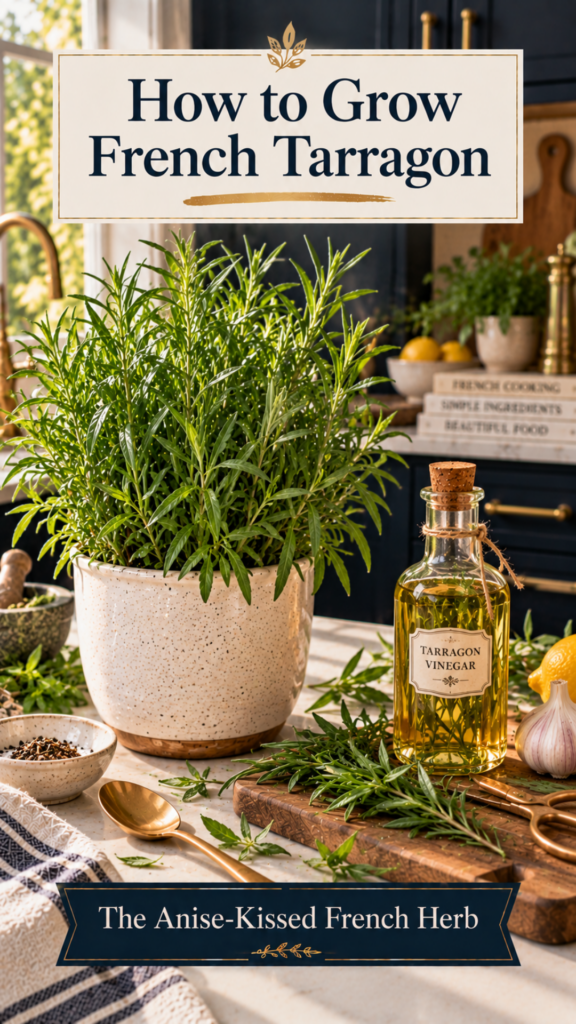
Tarragon has a distinctive anise or licorice-like flavor that’s central to French cooking, most famously in béarnaise sauce.
Growing tips: French tarragon (the culinary variety, as opposed to Russian tarragon, which has a milder, less desirable flavor) needs well-draining soil and full to partial sun. It’s typically propagated from cuttings rather than seed.
In the kitchen: Use it with a light hand — it pairs well with chicken, fish, eggs, and cream-based sauces, and is one of the classic fines herbes alongside chervil, chives, and parsley.
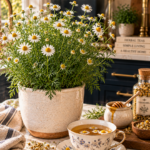
10. Chamomile
Chamomile is technically a flowering herb best known for tea, with a mild, apple-like, floral flavor and calming reputation.
Growing tips: German chamomile (the annual, more commonly grown culinary variety) prefers full sun to partial shade and average, well-draining soil. It self-seeds readily, so once established it often returns on its own.
In the kitchen: Dried chamomile flowers are steeped for tea, infused into honey or syrups, and occasionally used in baking for a subtle floral note.

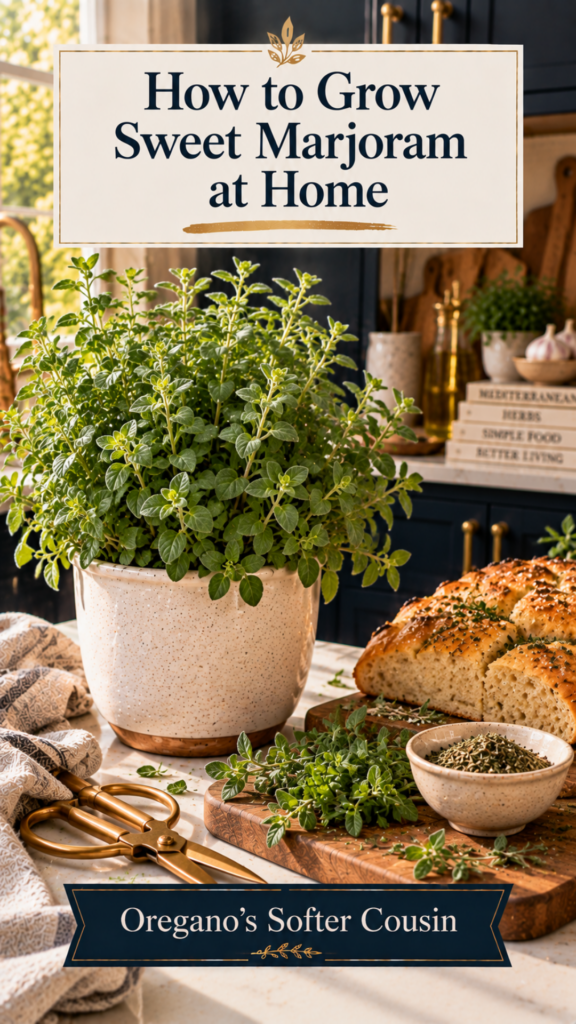
11. Marjoram
Marjoram is a close relative of oregano but sweeter, milder, and more delicate — sometimes described as oregano’s gentler cousin.
Growing tips: It shares oregano’s preference for full sun and well-draining soil, but marjoram is more cold-sensitive and often grown as an annual outside of warm climates.
In the kitchen: Because heat can flatten its delicate flavor, marjoram is best added near the end of cooking. It works well in soups, stuffing, egg dishes, and Mediterranean vegetable dishes.
12. Fennel
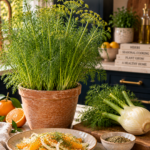
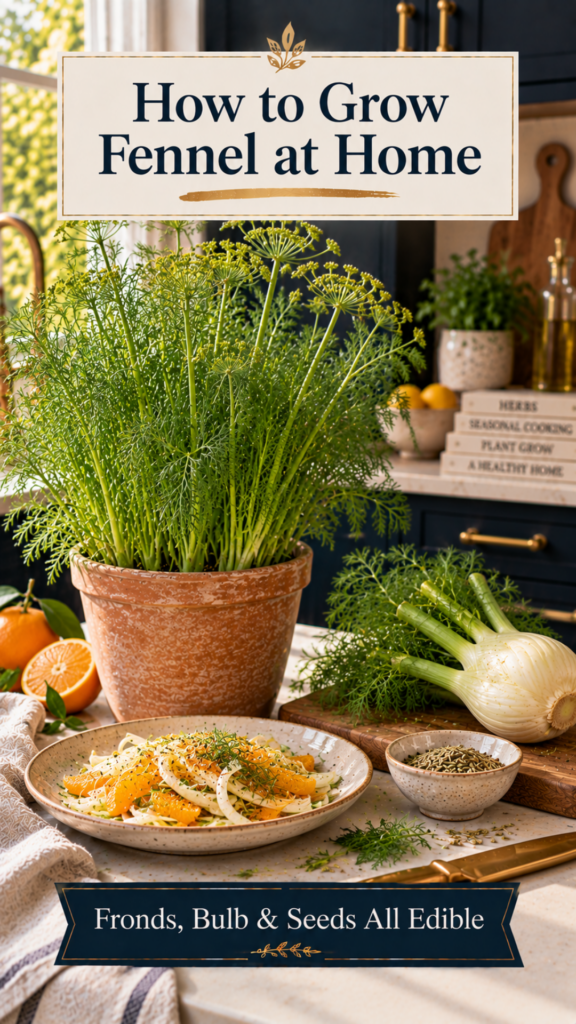
Fennel (the herb, as distinct from the bulb vegetable, though they come from the same plant) has feathery fronds with a mild anise flavor, along with seeds that are used as a spice.
Growing tips: Fennel needs full sun and consistent moisture. Note that it can inhibit the growth of nearby plants, so many gardeners give it its own dedicated space rather than mixing it into a crowded herb bed.
In the kitchen: The fronds make a delicate garnish for fish and salads, while fennel seeds are common in sausage, bread, and spice blends like Italian seasoning.
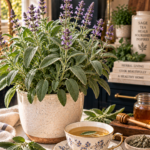
13. Sage
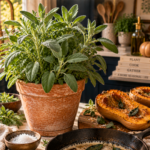
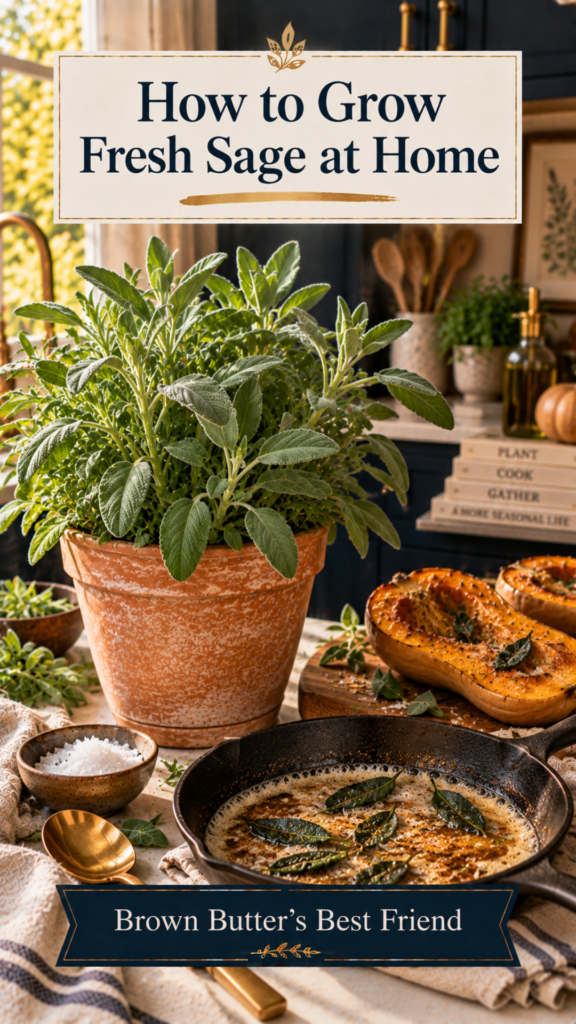
Sage has a soft, velvety leaf and an earthy, slightly peppery flavor with a hint of pine — it’s a fall and winter kitchen staple, especially alongside butter, brown butter sauces, and roasted squash.
Growing tips: Sage wants exactly what thyme and rosemary want — full sun and well-draining, lean soil. It’s drought-tolerant once established and is one of the more cold-hardy Mediterranean herbs, often surviving winters that kill off rosemary in the same bed.
In the kitchen: Fresh sage leaves crisp up beautifully fried in butter as a garnish, and it’s the classic pairing for brown butter pasta, roast turkey and stuffing, and winter squash dishes.
How to Start a Culinary Herb Garden
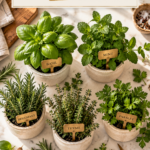
If this list has you ready to plant, here’s the short version: most of these herbs fall into two camps. Mediterranean herbs — thyme, rosemary, oregano, marjoram, lavender — want full sun, lean soil, and infrequent watering. Tender, moisture-loving herbs — basil, parsley, mint, chives, tarragon, fennel, chamomile — want richer soil and more consistent watering. Grouping herbs by these two categories, rather than planting everything together, is the single easiest way to keep a small herb garden thriving.
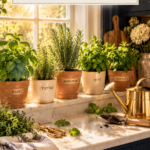
A sunny windowsill, a few containers on a patio, or a dedicated raised bed will all work. Start with three or four herbs you’ll actually cook with regularly, get comfortable keeping them alive, and expand from there.
A few things worth having on hand before you start: a well-draining herb planter set if you’re going the container route, a bag of fast-draining potting mix formulated for herbs rather than all-purpose soil, and a decent pair of garden snips for clean harvests that won’t damage the plant. None of it is expensive, but the right basics make the difference between a thriving herb garden and a sad one.
Frequently Asked Questions
What are the easiest culinary herbs to grow for beginners? Mint, chives, and oregano are widely considered the most forgiving — they tolerate a range of conditions and are hard to kill with mild neglect. Basil is easy too, but is more sensitive to cold.
Which herbs should not be planted together? Mint and peppermint should generally be grown in containers, separate from other herbs, since their roots spread aggressively and can crowd out neighbors. Fennel is also best planted on its own, as it can inhibit the growth of some nearby plants.
Can I grow culinary herbs indoors year-round? Yes — most of these herbs, especially basil, chives, mint, thyme, and oregano, do well in containers on a sunny windowsill or under a grow light, though basil in particular needs more warmth and light than a dim winter window typically provides.
What’s the difference between culinary and ornamental lavender or chamomile? Not all varieties are food-safe or pleasant-tasting. English lavender is the preferred culinary variety, and German chamomile is the type most commonly used for tea — always confirm a variety is labeled for culinary use before cooking with it.
The beauty of a culinary herb garden is how quickly it pays off — a handful of pots can supply fresh basil for summer pasta, mint for iced tea, and rosemary for Sunday’s roast chicken, all without a trip to the store. Start with the herbs you already reach for most in the kitchen, get the growing conditions right, and let the collection grow from there.