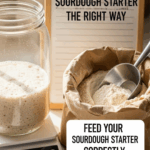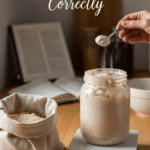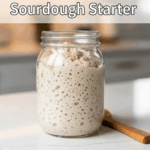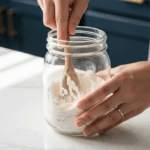

If you’ve been dreaming about baking your own homemade sourdough bread but feel overwhelmed every time someone mentions “feeding a starter,” you’re not alone. I used to feel like sourdough was only for expert bakers or people with endless free time. The truth? Starting a healthy, active sourdough starter is far easier than it looks — and once you learn how to make it, a whole world of sourdough recipes opens up for you: pancakes, cookies, bagels, brownies, biscuits, breads, and even pizza crust.
In this guide, I’m walking you step-by-step through how to make a sourdough starter, how to feed it, how to keep it alive, and how to troubleshoot every possible issue you might run into along the way. This is the best sourdough starter recipe for beginners — simple, reliable, and designed to help you bake your very first loaf with confidence.
Affiliate Disclaimer:
This post contains references to tools and products I personally use in my own sourdough kitchen. If you choose to shop using my recommendations, I may earn a small commission at no extra cost to you. Thank you for supporting my work and my blog.
What Is a Sourdough Starter? (And Why You Need One)
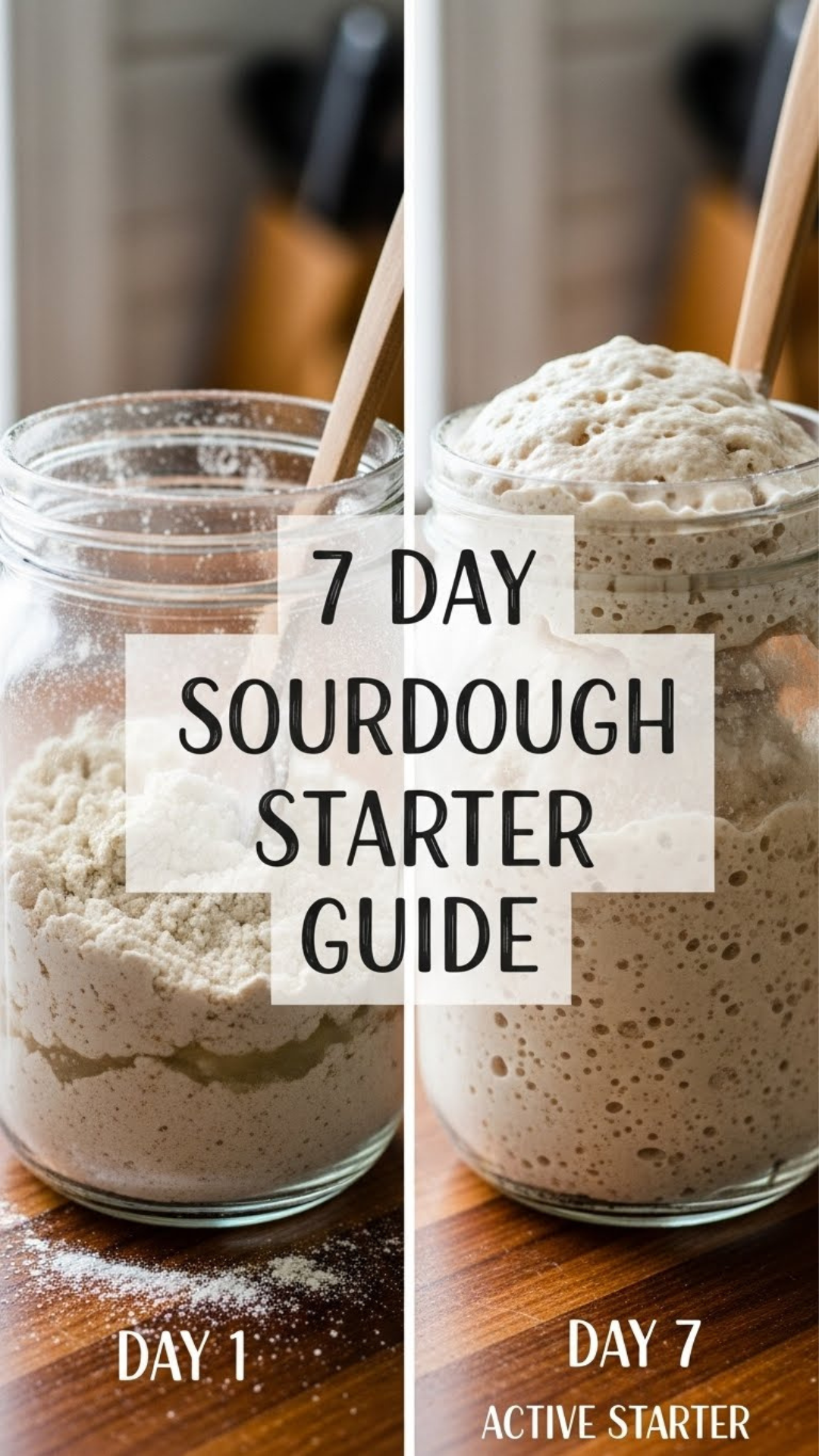
A sourdough starter is simply flour and water that has been naturally fermented. When you mix them together and feed them regularly, wild yeasts and beneficial bacteria develop — giving your sourdough its signature rise, tang, texture, and flavor.
A strong starter is the heart of every sourdough bread recipe. It replaces commercial yeast, adds depth to your dough, and makes your bread easier to digest.
This post will show you:
• The best sourdough starter recipe for beginners
• How to feed sourdough starter
• What to do with leftover sourdough discard
• How to troubleshoot common problems
• How to know when your starter is ready to bake
Ingredients & Tools You Need
You only need two ingredients to make a sourdough starter:
Ingredients
• Unbleached all-purpose flour (or bread flour)
• Filtered or dechlorinated water
Optional (but helpful):
• Whole wheat flour for the first 2–3 days (jumps-starts fermentation)
Recommended Tools (clean placeholders for you to fill later)
• Glass jar (32 oz)
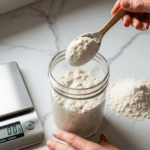
• Digital kitchen scale
• Silicone spatula
• Rubber band
• Kitchen thermometer (optional)
The Best Sourdough Starter Recipe for Beginners
This is the simplest and most reliable dough starter recipe — perfect if you’ve never made sourdough before.
Day 1
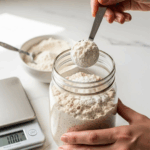
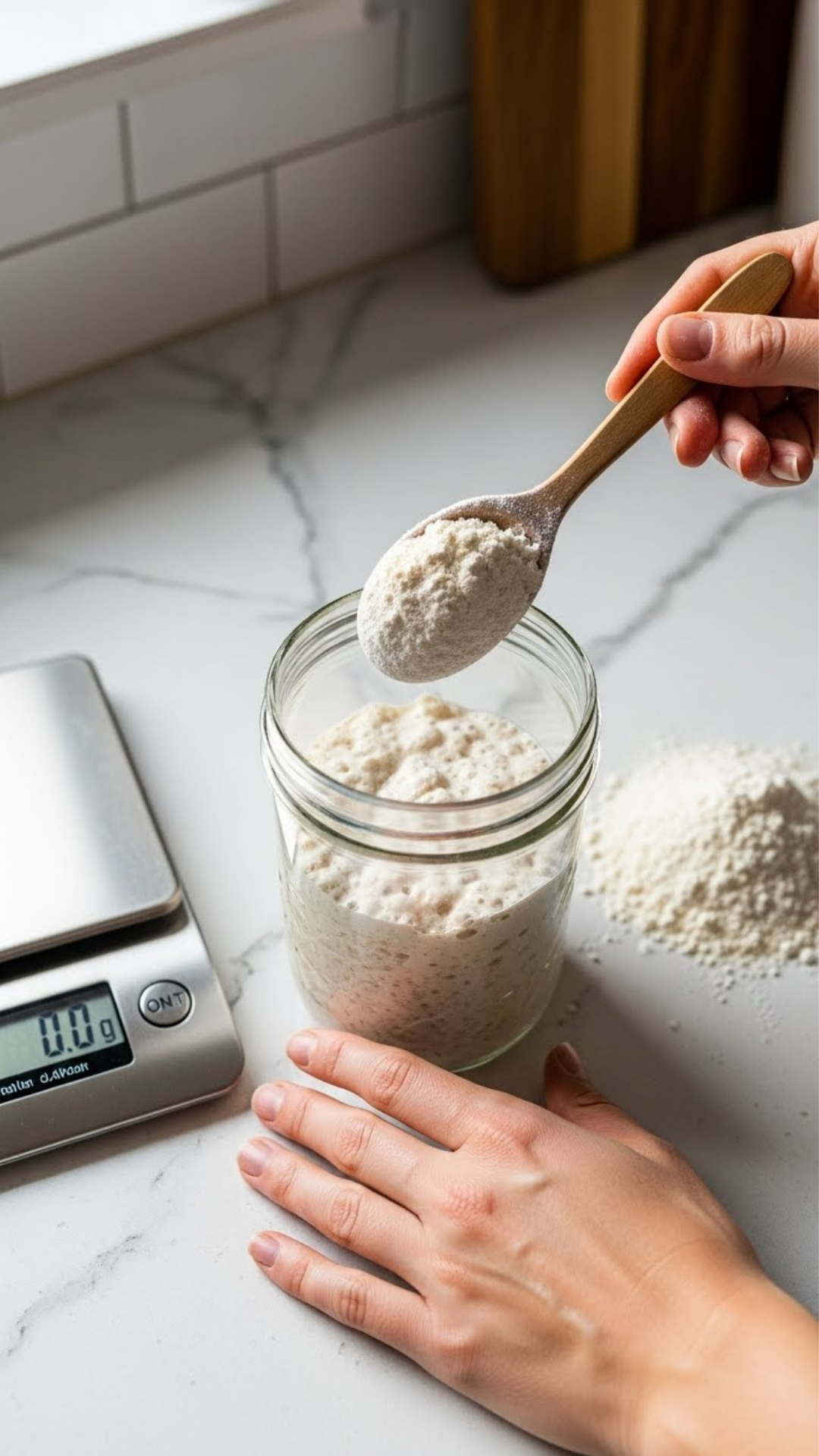
Mix in a clean jar:
• 50g flour
• 50g water
Stir until smooth, scrape sides, loosely cover, and set somewhere warm (70–75°F).
Day 2
You may or may not see bubbles — both are normal.
Discard half and feed:
• 50g flour
• 50g water
Days 3–5
Your starter should begin bubbling and rising. Continue:
• Discard half
• Feed 50g flour + 50g water
• Keep warm
Days 6–7
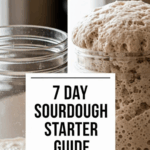
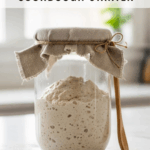
Your starter should double in size within 4–6 hours. It should smell slightly yeasty, fruity, tangy, or like fresh bread dough.
When it doubles reliably after feeding, it’s ready to bake.
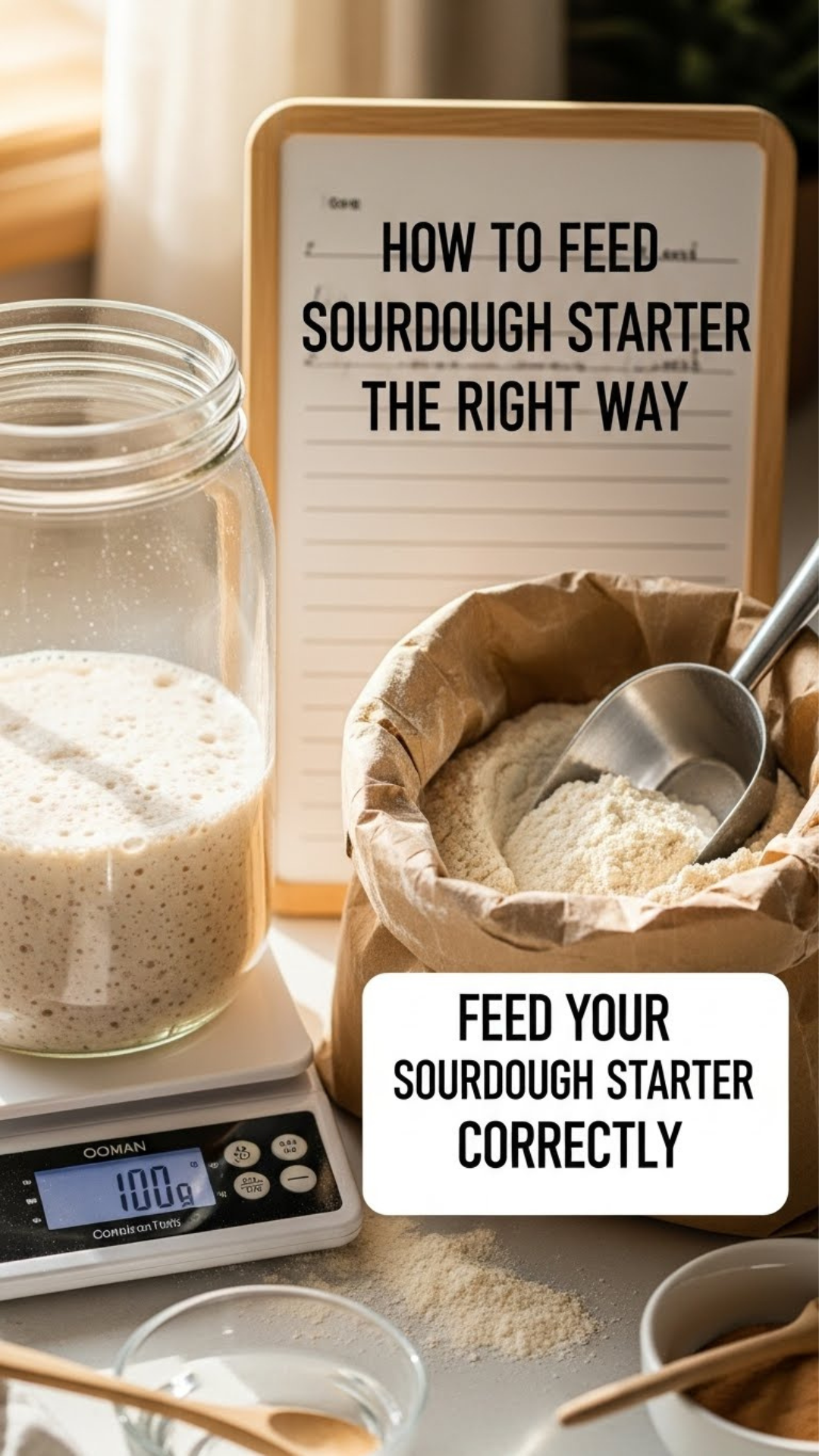
How to Feed Sourdough Starter (Daily Routine)
A healthy starter needs consistent feeding. Here’s the easiest method:
• Remove and save your discard
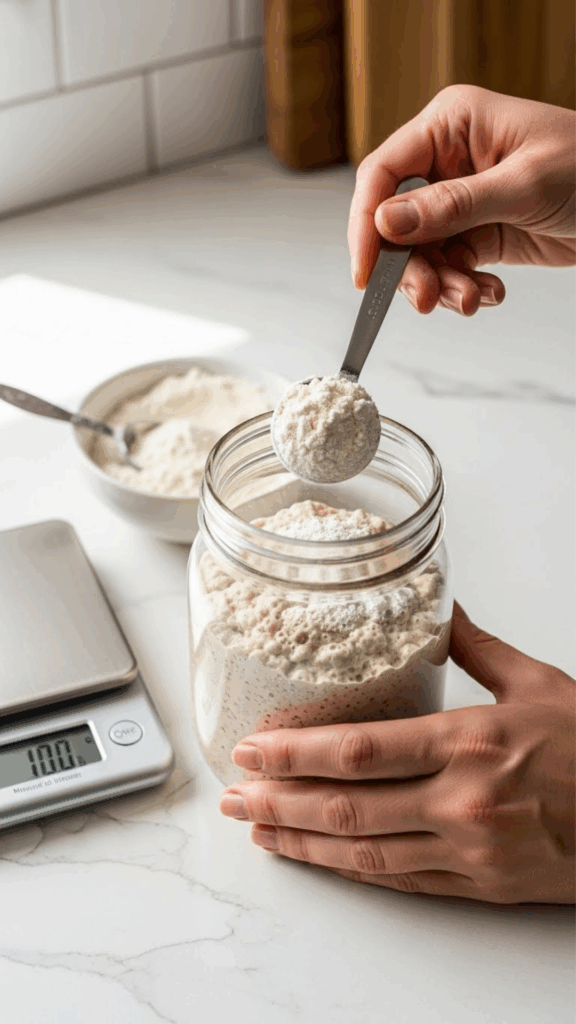
• Add equal weights of flour and water (1:1:1 ratio with starter)
• Stir well
• Mark the jar with a rubber band to track rise
• Keep the starter warm for best activity
If your starter lives on the counter, feed it daily.
If stored in the fridge, feed it once per week.
How to Use Your Sourdough Starter
Once active and bubbly, your starter becomes the base for:
• Artisan loaves
• Beginner sourdough bread recipes
• Same-day sourdough
• Cinnamon buns
• Pizza crust
• Biscuits
• Sandwich bread
• Muffins
• Cookies
• Donuts
• Brownies
COMING SOON!
Beginner Sourdough Bread
Easy Sourdough Bread
Sourdough Baking Schedule

What Is Sourdough Discard? What Do You Do With It?
Sourdough discard is the portion you remove before feeding. Because it’s unfed, it shouldn’t be used for bread — but it is AMAZING in quick recipes.
Some favorites:
• Sourdough discard cookies
• Sourdough discard breakfast pancakes
• Sourdough lemon blueberry muffins
• Discard crackers
• Sourdough brownies
• Sourdough coffee cake
• Discard chocolate chip cookies
• Sourdough pretzels
• Discard quick bread
• Blueberry sourdough discard loaf
When Is Your Starter Ready to Bake? (3 Tests)
1. It doubles within 4–6 hours
The single most reliable sign.
2. It passes the float test
Drop a spoonful into water — if it floats, it’s airy and ready.
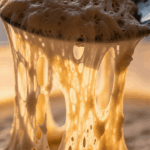
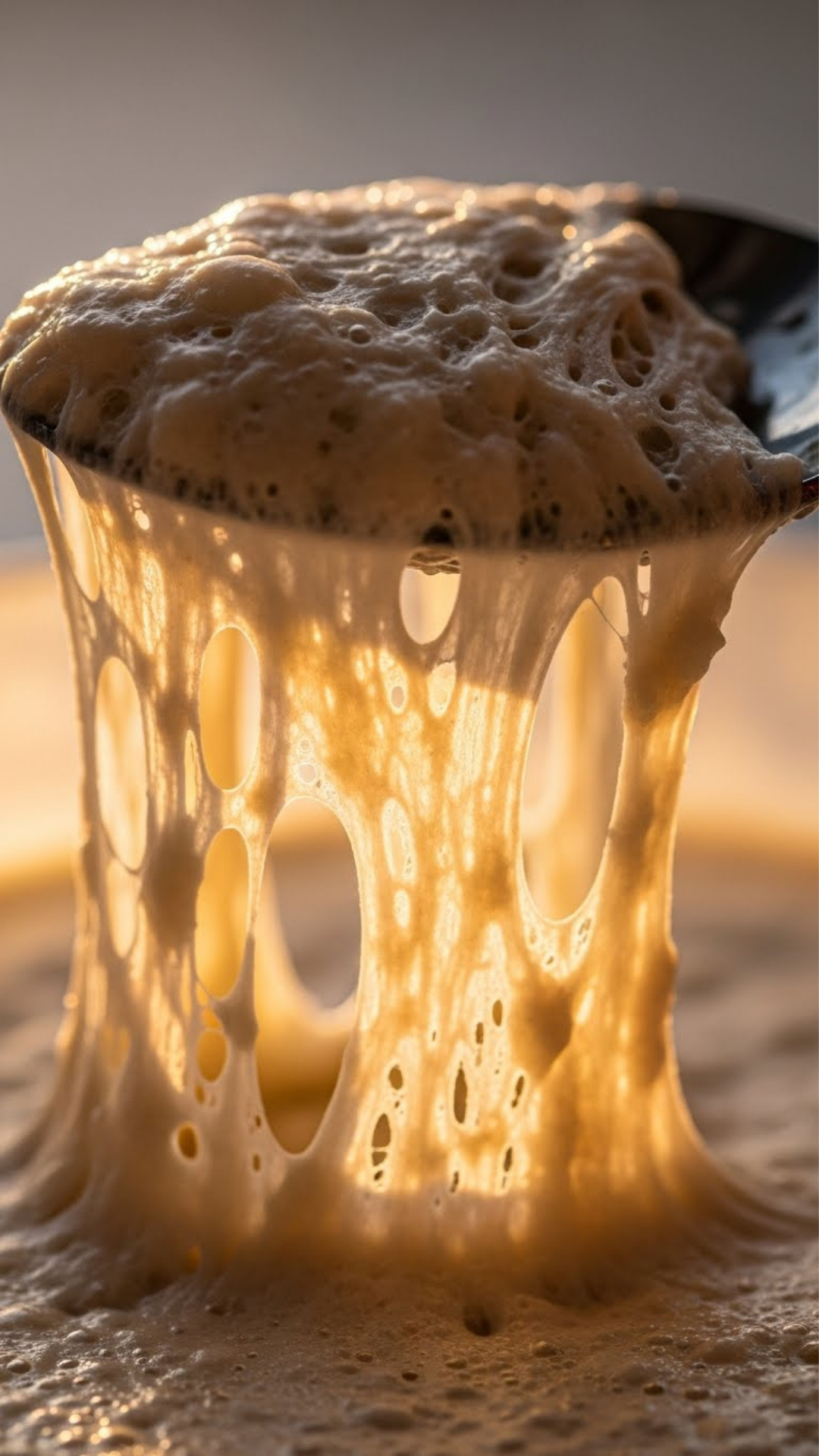
3. It looks bubbly and stretchy
The texture should resemble marshmallow fluff.
Expanded Troubleshooting Guide
This section captures every common beginner problem — and how to fix it quickly.
My starter isn’t rising.
Likely causes:
• Temperature too low
• Feeding ratio off
• Not enough time
• Heavy whole-grain flour slowing it down
Fix:
Place somewhere warm (75–80°F). Feed 1:1:1 for 2–3 days. Use an elastic band to track activity.
My starter has bubbles but doesn’t grow.
This usually means it needs strengthening.
Fix:
Feed smaller amounts more frequently (twice daily for 2–3 days).
My starter smells weird (cheese, acetone, vinegar).
Good news: this is normal early on.
Fix:
Continue regular feedings. Smell improves as yeast balances the bacteria.
My starter is runny or too thick.
Adjust hydration.
Runny → add a little more flour
Thick → add a touch more water
Consistency should resemble thick pancake batter.
My starter has hooch (liquid) on top.
This means it’s hungry.
Fix:
Stir in or pour off the hooch and feed normally.
My starter turned pink, orange, or grey.
Bad news: that’s contamination.
Fix:
Throw it out and start over. Never attempt to revive a discolored starter.
My starter is moldy.
Causes:
• Using contaminated utensils
• Storing in a dirty container
• Not feeding often enough
Fix:
Discard immediately and start fresh.
My starter rises too slowly.
Causes could include cold room temperature or flour type.
Fix:
Place somewhere warmer and feed with 50% whole wheat to boost fermentation.
My starter grew once, then stopped.
Classic “starter stall.”
Fix:
Just keep feeding. Day 3–4 starters often stall before taking off strongly.
How to revive a neglected starter.
If stored in the fridge too long:
• Remove any dark hooch
• Keep 1 tablespoon of starter
• Feed 50g flour + 50g water twice daily
• Within 3 days it should become active again
Can you switch flours?
Yes.
Whole wheat → all-purpose → bread flour
All are interchangeable once strong.
My starter is too acidic.
Add a small amount of rye or whole wheat flour to balance.
My starter is too sour.
Feed more often to dilute the acidity.
Feeding Sourdough Starter Schedule (Simple Chart)
If kept on the counter:
Feed daily.
If kept in the fridge:
Feed once weekly.
When preparing to bake:
Feed twice the day before (morning + night).
Shop My Sourdough Essentials
• Glass starter jar
• Digital scale
• Danish dough whisk
• Banneton basket
• Bread lame
• Dough scraper
• Dutch oven
Frequently Asked Questions
Can you make sourdough starter without whole wheat flour?
Absolutely — all-purpose flour works from start to finish.
How long does it take to make a sourdough starter?
Typically 7 days, but sometimes 10 depending on temperature and flour.
How do I know if my starter has gone bad?
Visible mold or pink/orange streaks mean you must discard it.
What flour makes the best sourdough starter?
Unbleached all-purpose is stable and reliable for beginners.
Do you need a scale?
Highly recommended — accuracy matters for fermentation.
@themsjenniferdawn Now to buy some proper sourdough making tools! As a beginber sourdough maker, I did not want to invest much to start , so the only things I invested in were a dehydrated, sourdough starter, and some organic flour. I did go out this morning and my husband purchased a danish do whisk for me and I am building out my Amazon list as we speak. Let yge addiction begin! I am so very happy that my very first loaf turned out and was delicious! #sourdoughbread #italianherbsandcheese #urbanhomestead ♬ Homecookin' - Junior Walker