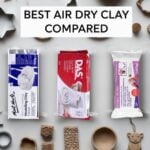
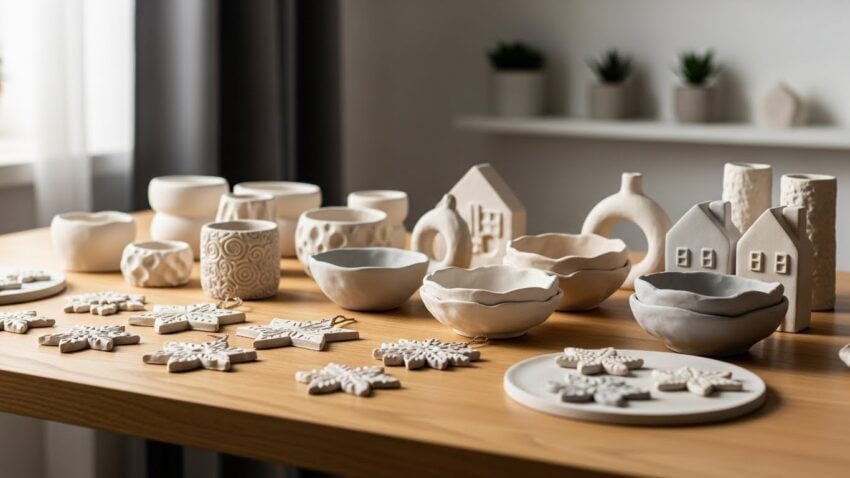
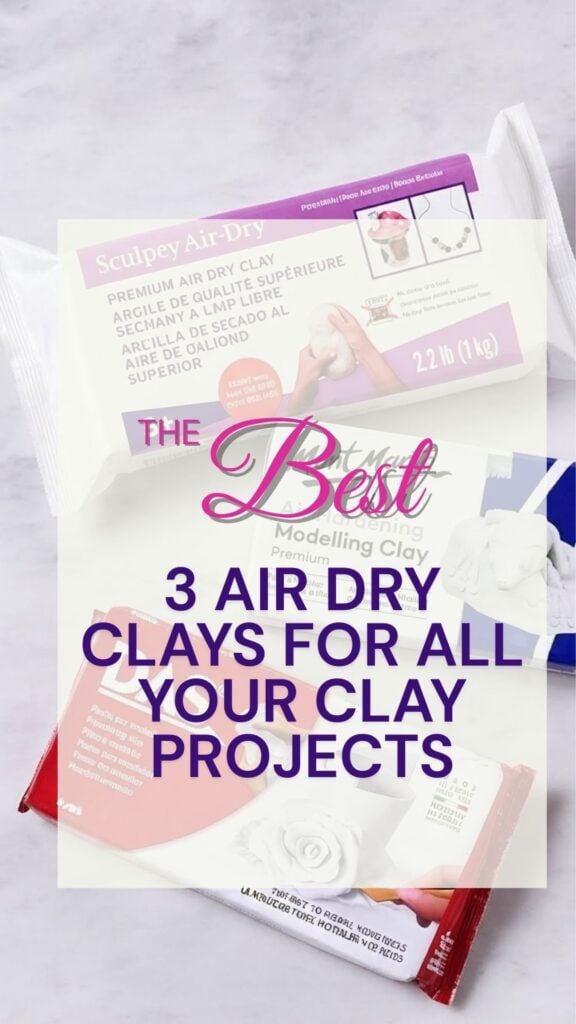
Choosing the wrong air dry clay can turn a relaxing afternoon of crafting into a frustrating mess. Cracking, warping, uneven drying and fragile finished pieces almost always come down to one thing: a clay that doesn’t match the project. After decades of crafting and years of making everything from Christmas ornaments to home decor, I’ve narrowed it down to three air dry clays I actually trust, and which one to reach for depends on what you’re making.
Affiliate disclosure: This post contains affiliate links. If you buy through them, I may earn a small commission at no extra cost to you, which I will almost certainly spend on more clay, because I have tested the theory that you can own too much and I’m still not convinced. As an Amazon Associate I earn from qualifying purchases.
If you’re making air dry clay crafts, ornaments or decorative pieces and you want results that last, this side-by-side comparison will help you choose the best air dry clay the first time, without wasting money on packages that end up crumbling in the back of a drawer.
In this post
What Makes a Good Air Dry Clay?
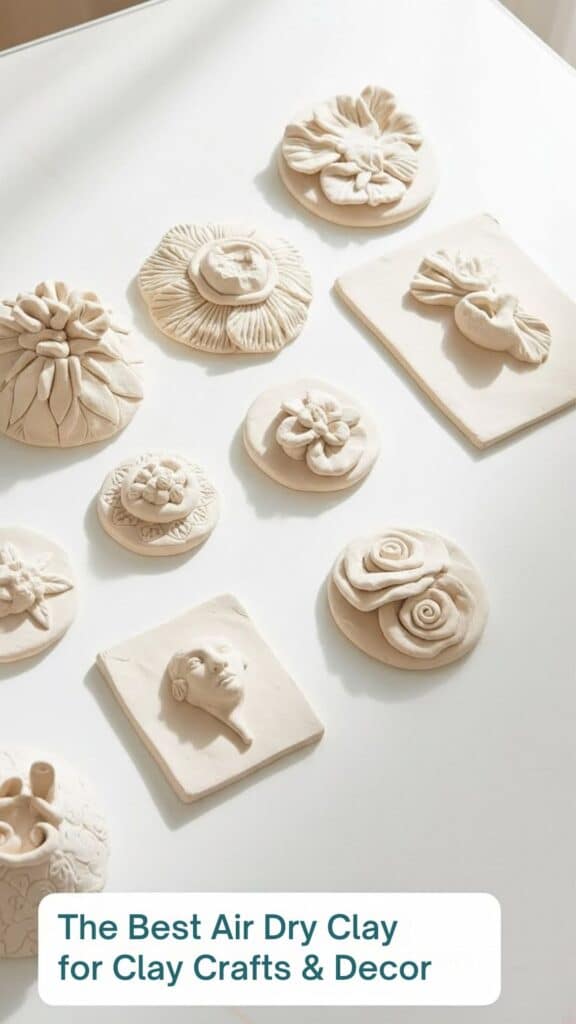
Not all air dry clay behaves the same. Some clays are made for crisp detail and molds, others for sturdy decor, and others for relaxed, low-pressure crafting. Whatever you’re making, the best air dry clay for crafts and decor should tick these boxes.
- Dries evenly without excessive cracking.
- Holds its shape while it dries, with no slumping or warping.
- Takes sanding, paint and sealer well, so your finished piece looks polished.
- Matches your skill level and project. A beginner making simple ornaments needs something different from a maker pressing detailed molds for a market table.
The key is choosing the right clay for the job rather than forcing one clay to do everything.
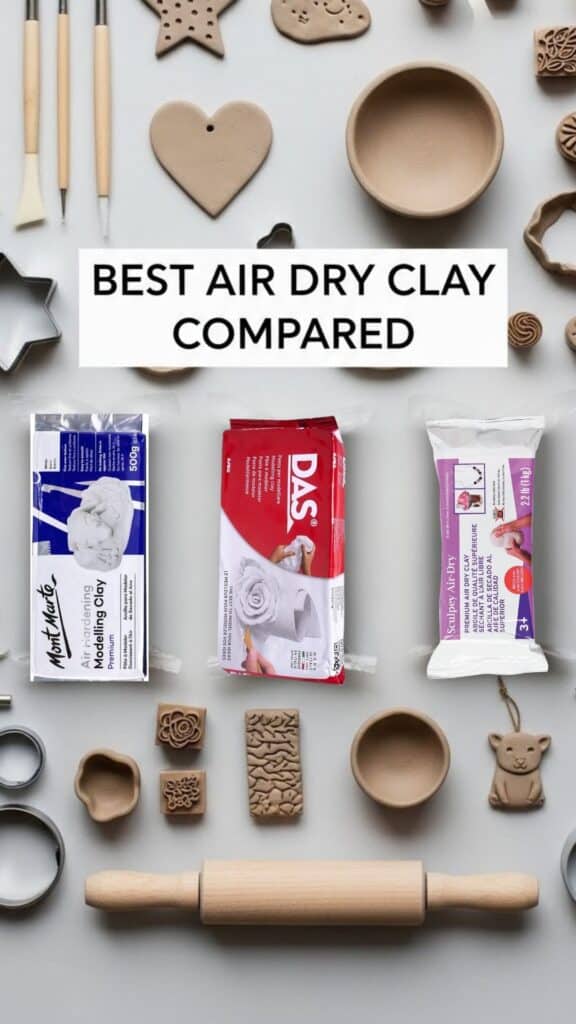
Quick Comparison: Best Air Dry Clay at a Glance
| Clay | Best for | Detail | Strength once dry | Price |
|---|---|---|---|---|
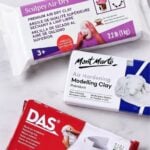
| DAS | All-purpose crafts, ornaments, decor | Good | Strong | Mid-range |
| Sculpey | Stamps, molds, lettering, fine detail | Excellent | Good | Mid to premium |
| Mont Marte | Beginners, practice, relaxed crafting | Fair | Fair | Budget |
Best Air Dry Clay for Detail and Mold Work: Sculpey Air Dry Clay
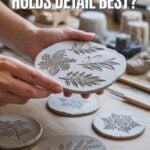
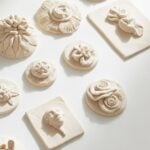
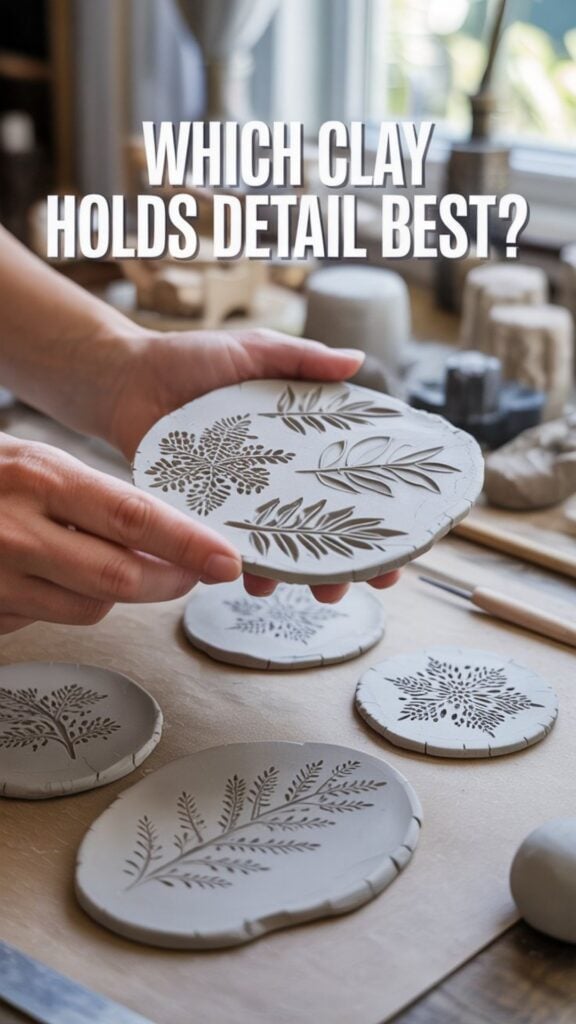
When detail matters, whether that’s stamps, molds, textures or lettering, Sculpey Air Dry Clay really shines. It’s smoother and more refined than most budget clays, so it captures fine detail without tearing or crumbling. That makes it ideal for mold-based projects and decorative embellishments.
Why Sculpey excels at detail
- Holds impressions cleanly
- Dries to a smooth finish
- Sands well for refined edges
- Ideal for stamps, molds and textured surfaces
Best uses: mold-based ornaments, decorative embellishments, botanical prints and detailed pieces you plan to gift or sell.
This is the clay I reach for when I want clean lines and crisp detail, especially for giftable or sellable pieces. If you love the look of pressed leaves, check out my air dry clay Christmas ornaments for 20 ideas that show off detail beautifully.
Best Overall Air Dry Clay for Crafts and Decor: DAS Air Dry Clay
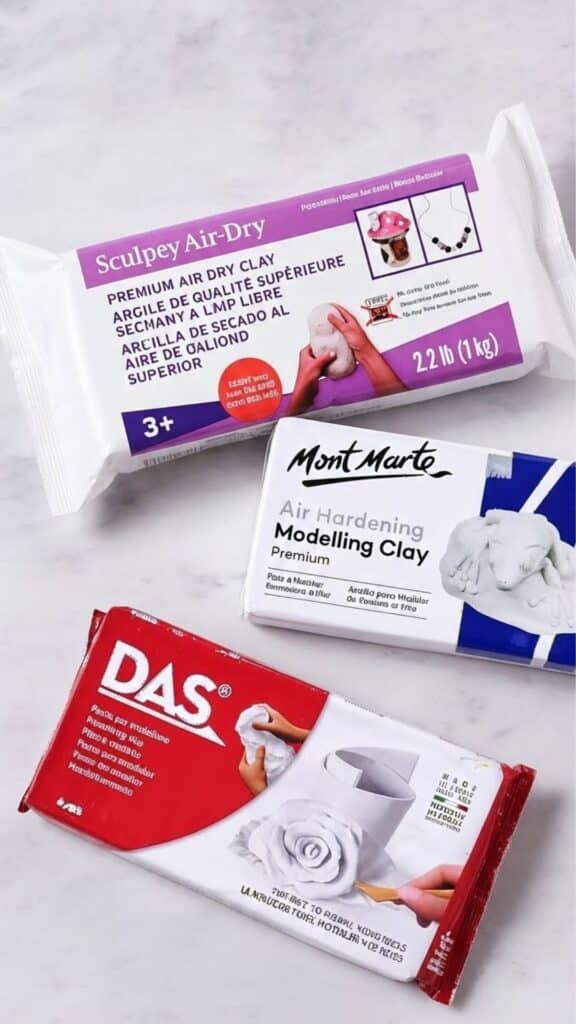
If you want one clay that handles most air dry clay projects, DAS Air Dry Clay is the safest and most versatile choice. It has a smooth but sturdy texture that’s easy to condition, shape and smooth, and once it’s dry it’s strong enough for ornaments, wall decor, trays and small sculptural pieces without feeling brittle.
Why DAS works so well
- Dries evenly with minimal cracking when you condition it properly
- Holds its shape during drying
- Easy to sand and seal once dry
- Widely available and consistent from package to package
Best uses: Christmas ornaments and seasonal decor, bowls, trays and trinket dishes, and home decor pieces that need strength.
If you’re not sure where to start or you only want to buy one clay, this is the one I recommend most often. It’s also my go-to for the projects in 25 Christmas air dry clay projects.
Best Budget Air Dry Clay for Beginners: Mont Marte Air Dry Clay
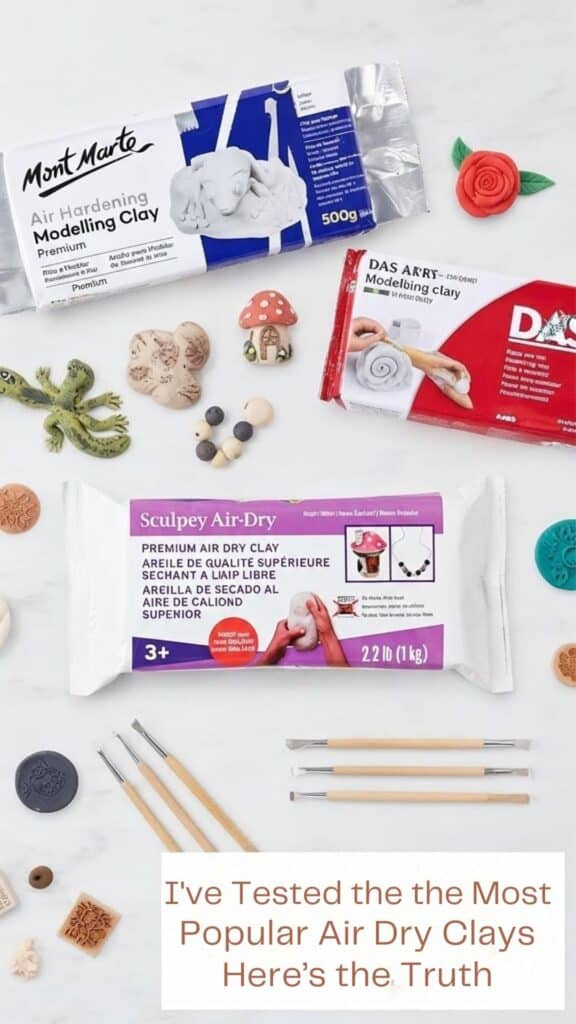
If you’re just starting out or crafting casually, Mont Marte Air Dry Clay is a solid budget-friendly option. It’s soft, easy to work and forgiving, which makes it great for practice, simple ornaments and stress-relief crafting. It doesn’t hold ultra-fine detail as well as the premium clays, but it performs well for basic projects.
Why Mont Marte is beginner-friendly
- Affordable and easy to find
- Soft and quick to condition
- Great for learning techniques without pressure
- Ideal for casual or therapeutic crafting
Best uses: beginner projects, simple cookie-cutter ornaments, practice pieces and low-stress crafting.
It’s a great choice if you’re experimenting or crafting for relaxation rather than precision. New to clay? My air dry clay for beginners guide walks you through your first piece step by step.
The clays, tools and finishing supplies I actually use, all in one list.
Shop the Clay Tools List Shop Sculpting ToolsWhat I Don’t Recommend (and Why)
Not all air dry clay is worth buying. After testing more brands than I care to admit, these are the ones I steer clear of.
- Very cheap, generic clays with an inconsistent texture from one package to the next.
- Clays that dry chalky or crumbly, which chip as soon as you sand them.
- Unknown brands with poor sealing results, where the sealer beads, clouds or peels.
Saving a few dollars upfront often leads to broken projects and frustration later. If budget is the main concern, you can also make your own homemade air dry clay with pantry ingredients, which is a fun option for kids and practice pieces.
Tips to Prevent Cracking (No Matter Which Clay You Choose)
Even the best air dry clay can crack if it’s mishandled. A few basics make a huge difference.
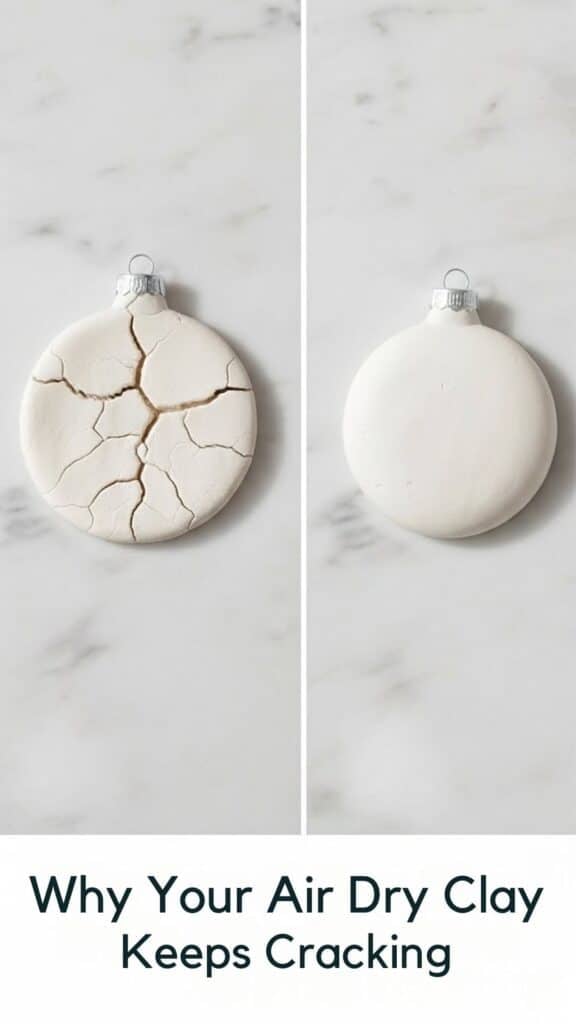
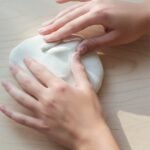
- Knead the clay thoroughly before use. Conditioning warms it and works out air pockets that turn into cracks.
- Avoid overly thick sections. Keep pieces an even thickness, around 6 mm for most ornaments and dishes.
- Dry slowly, away from direct heat. Heaters and sunny windowsills dry the outside before the inside, which causes cracking.
- Turn pieces during drying so the bottom dries as evenly as the top.
- Seal finished pieces properly. Sealing protects against humidity, chips and stains. My guide on how to seal air dry clay covers every method.
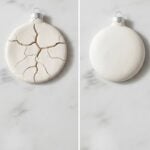
Already cracked? Mix a little clay with water into a paste, press it into the crack with a damp fingertip, let it dry and sand it smooth. Most small cracks disappear completely.
A good sealer and a basic acrylic set turn a nice piece into a finished, long-lasting one.
Shop Sealers Shop Acrylic PaintWhich Air Dry Clay Should You Choose?
1Choose DAS
If you want a reliable, all-purpose clay for decor and ornaments. Shop DAS Air Dry Clay
2Choose Sculpey
If detail, molds and clean finishes matter most. Shop Sculpey Air Dry Clay
3Choose Mont Marte
If you’re a beginner or crafting on a budget. Shop Mont Marte Air Dry Clay
Each of these clays has its place. The key is matching the clay to your project, not forcing one clay to do everything.
Questions I Get Asked
What is the best air dry clay for beginners?
Mont Marte is the best budget pick for practice and simple projects. If you’d rather buy one clay that grows with you, DAS is forgiving enough for beginners and strong enough for finished decor.
What is the best air dry clay for ornaments?
DAS for sturdy, everyday ornaments, and Sculpey when you want crisp stamped or molded detail.
What is the best paint for air dry clay?
Acrylic paint. Let the clay dry completely first, paint in thin coats and seal once the paint is fully dry.
Is air dry clay the same as polymer clay?
No. Air dry clay hardens in the open air, while polymer clay needs to be baked. My polymer clay vs air dry clay post explains which to use when.
Is air dry clay waterproof?
Not on its own. A varnish makes it water resistant, but air dry clay is never food safe and shouldn’t hold liquids directly.
The Right Clay Makes All the Difference
Air dry clay should make crafting feel grounding and enjoyable, not stressful. Choosing the best air dry clay for your project from the start saves time, money and frustration, and leads to finished pieces you’ll actually be proud of. This comparison is based on real use, not hype. Whether you’re making ornaments, home decor or simple handmade gifts, these three clays consistently deliver. Grab my free Boutique Clay Shopping Checklist near the top of this post before your next clay haul, and tell me in the comments which clay you’re trying first.
Jennifer Dawn
Save this for later: pin it to your clay crafts board so you know exactly which clay to buy next time.