
Spring has always carried the quiet promise of renewal. After months of heaviness, darker days, and comfort foods, many people feel an instinctive pull to lighten things up and begin again. In herbal traditions around the world, spring is considered the season of cleansing, circulation, and awakening the body’s natural vitality.
Gentle herbal remedies can support this seasonal transition by encouraging digestion, supporting the liver, nourishing the skin, and restoring energy without harsh detox trends or extreme protocols. Think of these herbs as subtle allies that help the body remember how to flow again.
Below are some of the most beloved spring herbal remedies for a soft, supportive seasonal reset.
Affiliate Disclosure
Some of the links in this article may be affiliate links. This means that if you choose to purchase through one of those links, I may earn a small commission at no additional cost to you.
I only recommend herbs, tools, and products that I personally believe are useful for creating a more natural, intentional lifestyle. Your support through these links helps keep this blog running and allows me to continue sharing recipes, herbal ideas, and DIY projects with you.
As always, please do your own research and consult a qualified healthcare professional before using herbal remedies, especially if you are pregnant, nursing, taking medication, or managing a health condition.
.

1. Dandelion for Liver Support and Gentle Detox
Dandelion is often dismissed as a weed, yet it is one of the most powerful spring herbs available. Traditionally used to support liver function, digestion, and gentle detoxification, dandelion helps the body release what it no longer needs.
In herbalism, the liver is closely tied to energy, hormone balance, and skin health. After winter, when many people consume heavier foods and move less, dandelion can help stimulate bile production and improve digestion.
Ways to use dandelion in spring:
Dandelion root tea for liver and digestion support
Fresh dandelion greens added to salads or sautés
Dandelion tincture for a concentrated herbal remedy
Roasted dandelion root coffee alternative
Dandelion also acts as a mild diuretic, helping the body release excess water and support kidney function.
2. Nettle for Deep Mineral Nourishment
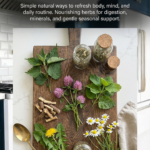
Stinging nettle is one of the most nourishing herbs you can add to your spring routine. Packed with minerals like iron, magnesium, silica, and calcium, nettle helps replenish the body after winter.
Many herbalists consider nettle a foundational tonic herb because it strengthens the body rather than forcing it into detox mode.
Benefits of nettle include:
Supporting hair growth and scalp health
Strengthening nails and skin
Supporting adrenal and energy levels
Helping reduce seasonal allergies
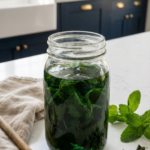
A simple nettle infusion is one of the best ways to receive its benefits. Steep a large handful of dried nettle leaves in hot water for several hours or overnight to extract the minerals fully.

3. Cleavers for Lymphatic Flow
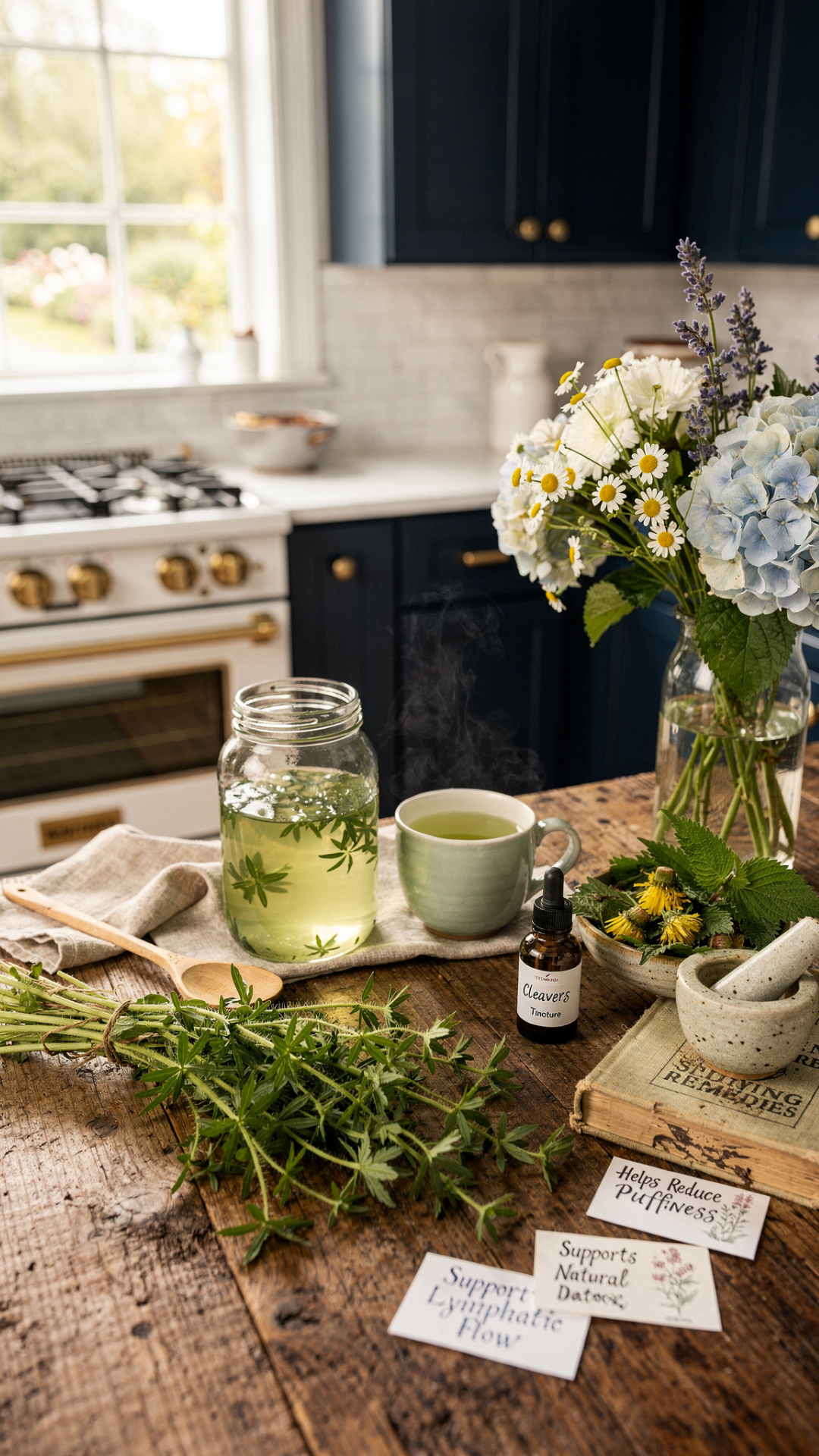
Cleavers is a classic spring herb known for supporting the lymphatic system. The lymph system is responsible for clearing waste and maintaining immune balance, but it does not have a pump like the heart. Herbs like cleavers gently encourage circulation and movement.
Cleavers may help with:
Puffy skin or water retention
Sluggish lymphatic circulation
Skin congestion and breakouts
Supporting the body’s natural detox pathways
Cleavers grows abundantly in spring and can be used fresh in teas or tinctures. Many herbalists combine it with nettle and dandelion for a classic spring tonic.
4. Burdock Root for Skin and Blood Support
Burdock root has a long history in traditional herbal medicine as a blood and skin supporting herb. It works slowly and gently to support liver function, digestion, and elimination.
Many people turn to burdock in spring to support skin clarity after winter months.
Potential benefits include:
Supporting healthy skin and reducing breakouts
Supporting liver detoxification pathways
Feeding beneficial gut bacteria as a natural prebiotic
Supporting stable blood sugar
Burdock root can be used in teas, broths, or slow simmered decoctions.

5. Red Clover for Gentle Cleansing
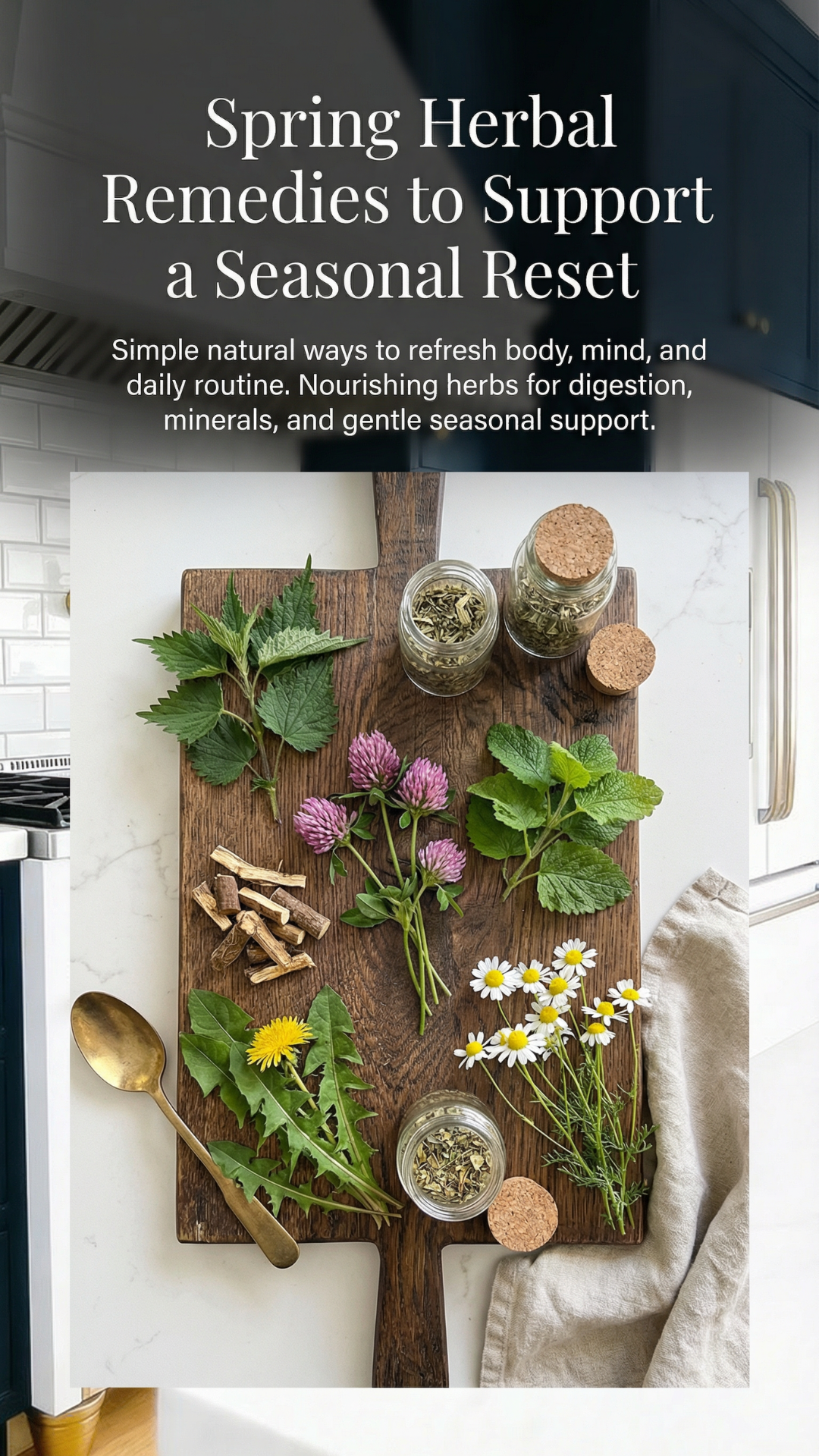
Red clover blossoms are often associated with spring meadows, and herbalists value them for their gentle cleansing properties. Red clover is traditionally used to support skin health and lymphatic function.
It is especially helpful for people experiencing:
Skin irritation or breakouts
Hormonal imbalances
Slow lymphatic circulation
Seasonal fatigue
Red clover tea has a mild, slightly sweet flavor and blends beautifully with other spring herbs like nettle and cleavers.
6. Lemon Balm for Mood and Nervous System Reset
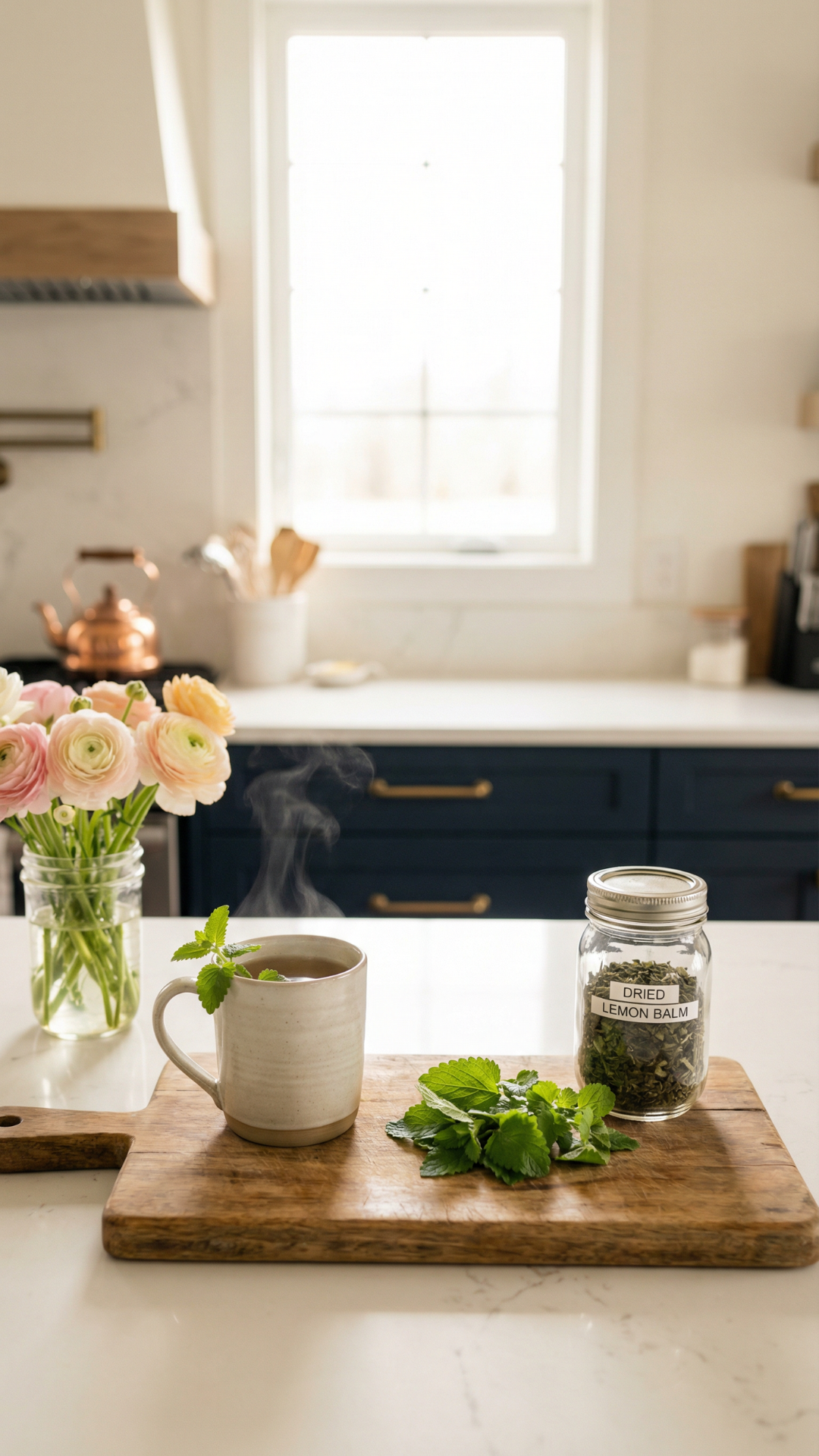
Spring resets are not only physical. After long winters, many people also feel mentally foggy or emotionally drained. Lemon balm is a soothing herb that supports the nervous system while gently uplifting the mood.
Benefits of lemon balm include:
Supporting calm focus and mental clarity
Helping ease stress and anxiety
Supporting digestion and gut health
Encouraging restful sleep
A warm cup of lemon balm tea in the afternoon can bring a surprising sense of calm and clarity.
7. Chickweed for Skin and Gentle Cooling
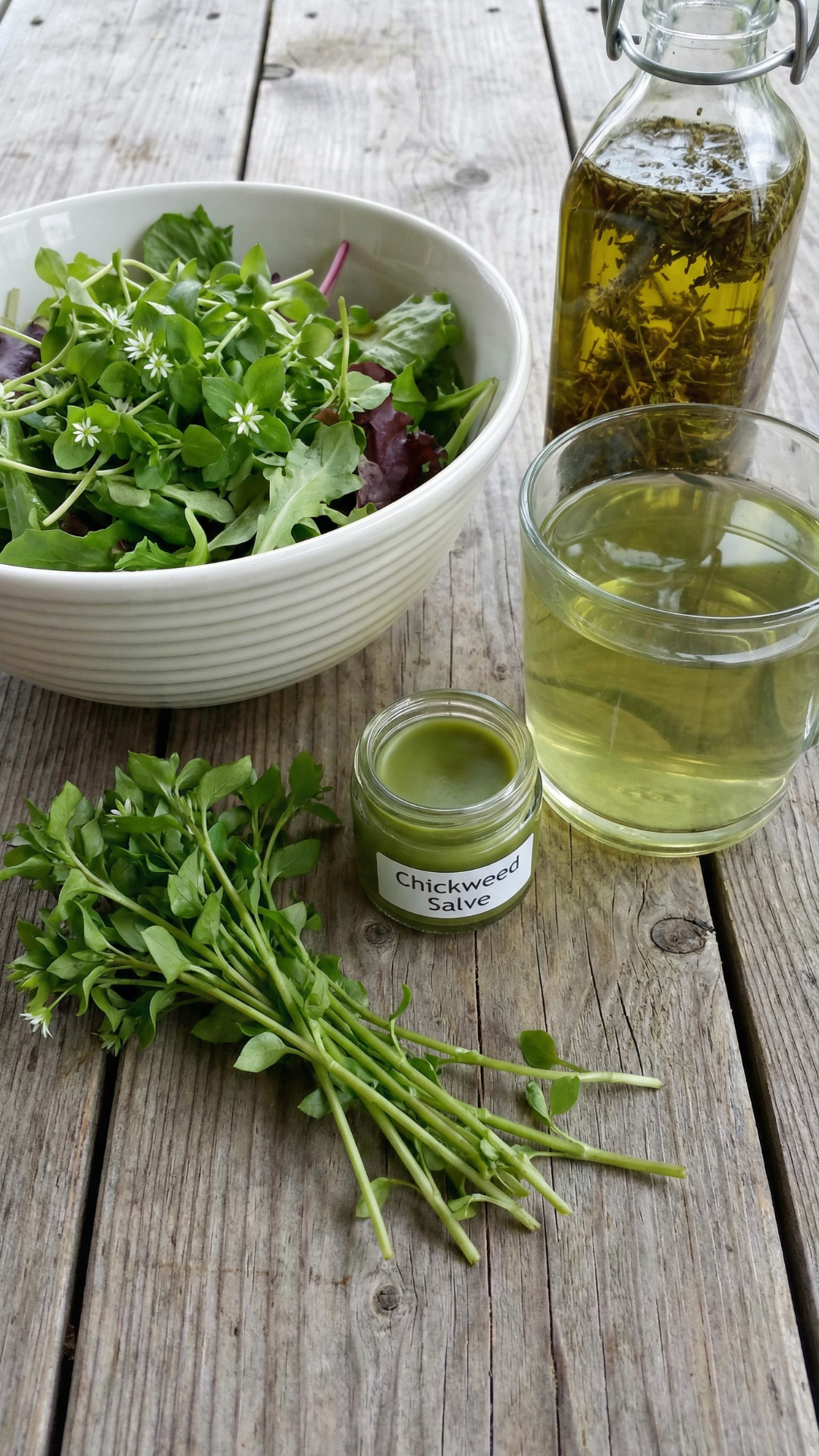
Chickweed is another humble spring herb that herbalists treasure. Known for its cooling and soothing properties, chickweed is often used for skin health and gentle detox support.
Chickweed can be used:
As a fresh spring salad green
In herbal salves for irritated skin
As a cooling herbal tea
In infused oils for skin care
Its soothing nature makes it particularly helpful for itchy or inflamed skin.
8. Spring Herbal Tea Blends for Daily Reset
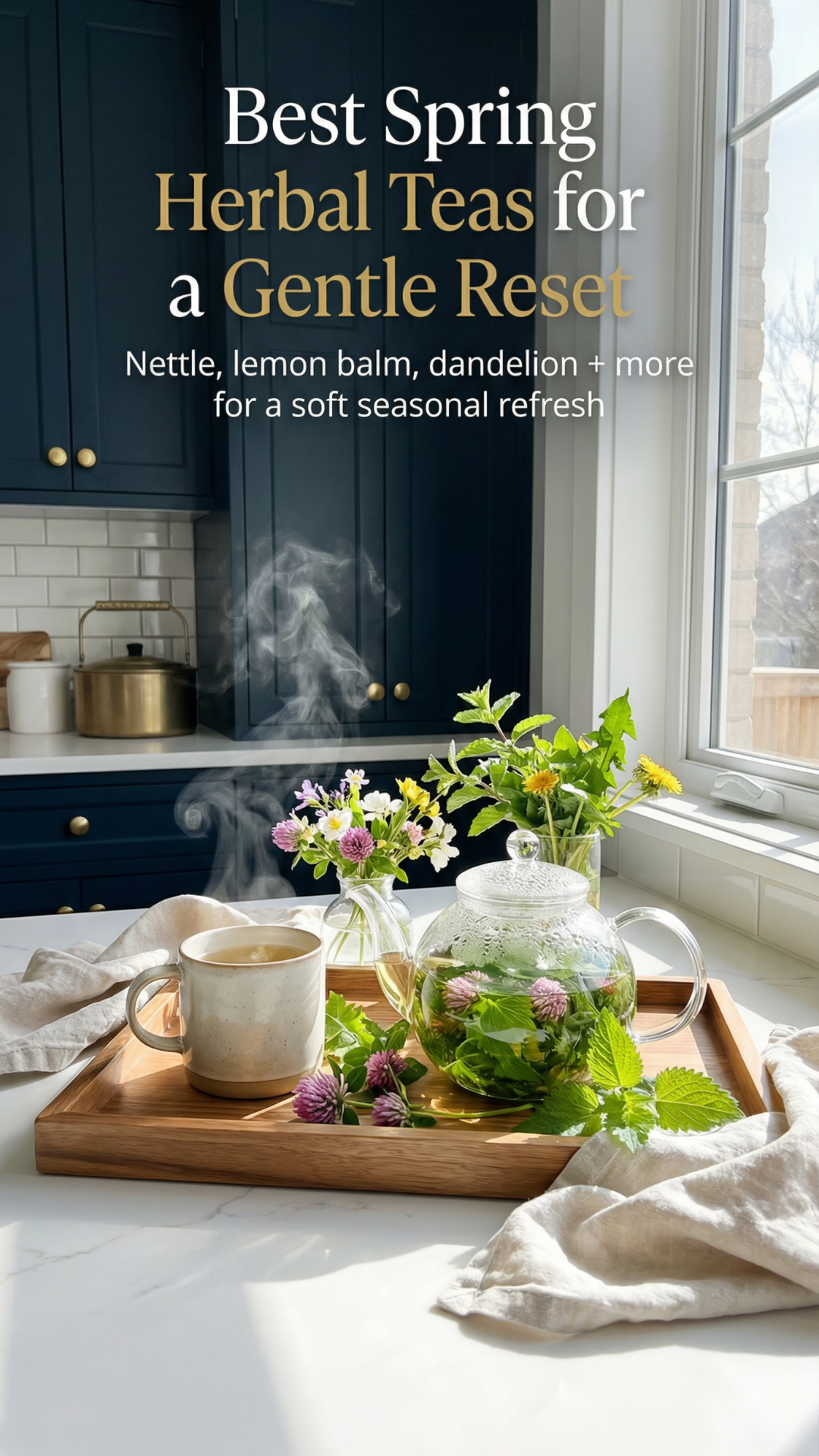
One of the simplest ways to work with herbs is by creating daily tea blends. A gentle spring tonic tea might include:
Spring Reset Tea Blend
1 part nettle
1 part dandelion leaf
1 part red clover
½ part lemon balm
Optional: fresh mint or lemon peel
Steep one tablespoon of the blend in hot water for 10–15 minutes. Drink once or twice daily for gentle support during the seasonal transition.
9. Herbal Infused Honey for Spring Wellness
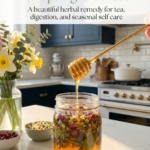
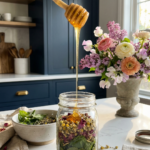
Herbal honeys are both delicious and supportive for wellness. Fresh herbs can be infused into raw honey to create nutrient-rich remedies that last for months.
Good herbs for spring honey infusions include:
Lemon balm
Thyme
Chamomile
Rose petals
Elderflower
These infused honeys can be stirred into tea, drizzled over yogurt, or enjoyed by the spoonful when you need a gentle boost.

10. Creating a Simple Spring Herbal Routine
The most effective herbal routines are the simplest ones. Rather than trying to do everything at once, choose one or two herbs that resonate with you and incorporate them consistently.
A gentle spring herbal rhythm might look like:
Morning:
Nettle or dandelion tea to support energy and digestion.
Afternoon:
Lemon balm tea for calm focus.
Evening:
A nourishing herbal blend to relax and support the body overnight.
These small daily rituals help the body gradually transition from winter heaviness into the lighter energy of spring.
A Soft Reset, Not a Harsh Detox
The wisdom of herbal traditions reminds us that the body does not need extreme detoxes or restrictive cleanses. It simply needs the right support at the right time.
Spring herbs work slowly, nourishing the body while encouraging natural detoxification pathways like the liver, lymphatic system, digestion, and kidneys. By working with these gentle allies, you allow your body to reset in a way that feels sustainable and supportive.
Sometimes the most powerful shifts happen quietly, one cup of tea at a time.