


For a long time, I thought blogging meant constantly starting over.
New posts. New platforms. New algorithms. New trends.
More content, more hustle, more burnout.
What finally changed everything wasn’t posting more — it was learning how to create SEO blog posts that compound over time.
Posts that don’t disappear after 24 hours.
Posts that keep working while I’m offline.
Posts that quietly build traffic, trust, income, and opportunities month after month.
This is the exact process I use — not theory, not hype — but a sustainable system that works with my energy, not against it.
Some links on this site may be affiliate links. I only share tools, resources, and strategies I personally use or genuinely believe support sustainable, ethical growth.

What “Compounding Content” Actually Means
Compounding blog content is content that:
gains traction slowly instead of spiking and dying
ranks in search over time
performs on Pinterest for months or years
brings in readers who are actively searching for solutions
continues to generate income long after it’s published
Unlike social posts, SEO blog posts don’t expire.
They stack.
One post leads to another.
One pin leads to another.
One search result becomes ongoing traffic.
That’s the difference between content that feels exhausting and content that feels supportive.
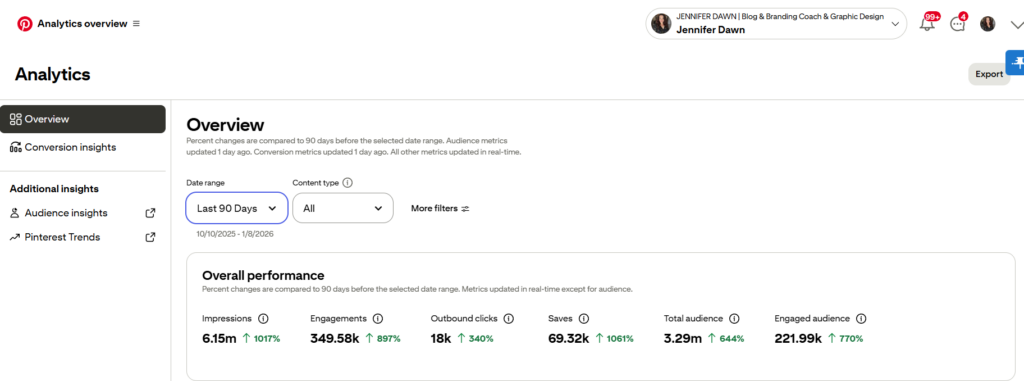
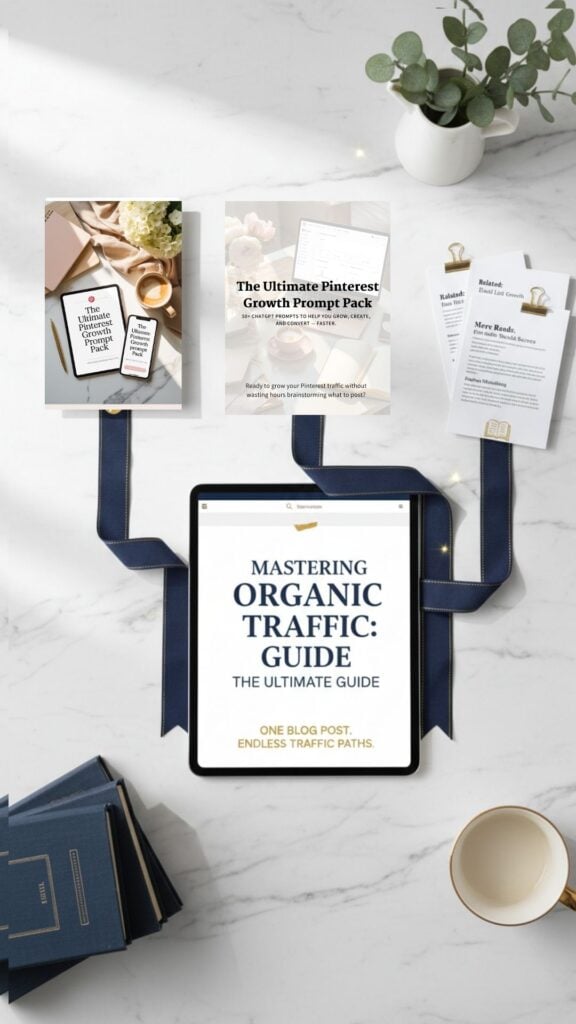
Why SEO Blog Posts Outperform Social Media Content
Social media content is rented attention.
SEO content is owned real estate.
Here’s the reality:
Most social posts live 24–48 hours
Pinterest pins can live 6–18 months (or longer)
Blog posts can rank for years
Search traffic is intent-based, not scroll-based
When someone finds your blog through search, they’re not being interrupted — they’re looking.
That changes everything.

My Exact SEO Blog Post Process (Step-by-Step)
This is the framework I use consistently. It’s simple, repeatable, and ADHD-friendly.
Step 1: Start With Search Intent, Not Inspiration
I don’t start with what I want to say.
I start with what people are already searching for.
Every post begins with:
one primary keyword
a clear problem or question
a reader who is actively looking for answers
Examples:
“How to start affiliate marketing for beginners”
“Low glycemic breakfast ideas”
If people aren’t searching for it, I don’t build around it.
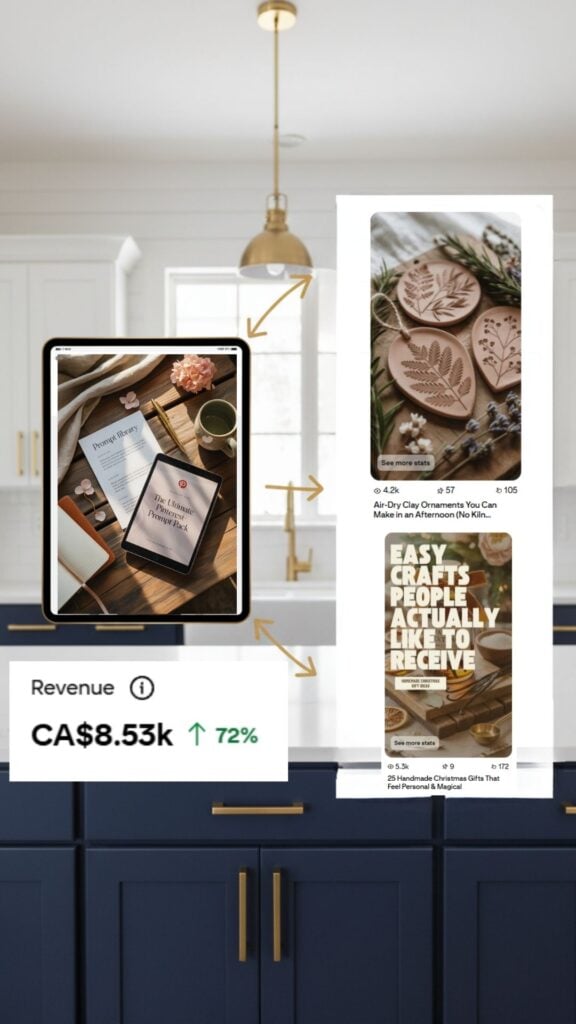
Step 2: Choose One Clear Primary Keyword
Each post has one job.
Not ten keywords.
Not vague themes.
One primary phrase that:
appears in the title
appears in headers
appears naturally in the body
matches real search behavior
Secondary keywords support the post — they don’t dilute it.
This clarity helps:
Google understand the page
Pinterest categorize the content
readers stay focused
Step 3: Write for Humans First, Algorithms Second
I don’t keyword stuff.
I don’t write robotic content.
I write:
conversationally
clearly
with structure
with emotional intelligence
SEO works best when:
readers stay on the page
content answers the question fully
the writing feels natural
Depth matters more than density.
Step 4: Use Clear Structure (This Is Critical)
Every compounding post follows a predictable structure:
H1: keyword-rich title
H2s: supporting questions and subtopics
Short paragraphs (especially for mobile)
Bullet points where helpful
Natural internal links
Structure is not boring — it’s strategic.
It keeps readers engaged and helps search engines understand context.
Step 5: Build Internal Linking From Day One
Internal links are one of the most overlooked SEO tools.
Every new post should:
link to at least 2–4 related posts
be linked from older posts when possible
create topical clusters
This tells search engines:
“This site is an authority on this topic.”
And authority compounds faster than individual posts.
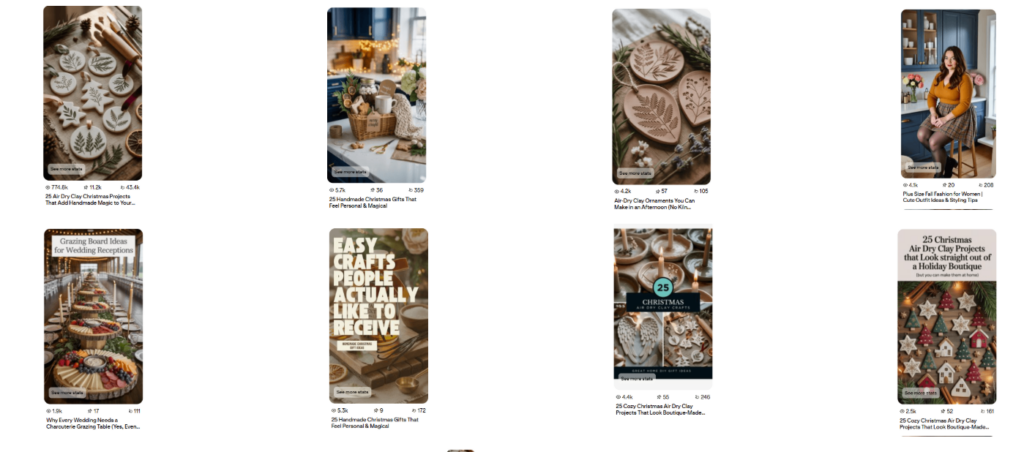
Step 6: Optimize for Pinterest, Not Just Google
Pinterest is a visual search engine — and it’s where compounding really accelerates.
For every blog post, I create:
keyword-rich pin titles
natural, descriptive pin descriptions
Pins don’t just promote posts — they index them.
That’s why Pinterest traffic often arrives before Google traffic does.
Step 7: Publish Consistently, Not Perfectly
Consistency beats perfection every time.
I don’t wait until a post is “flawless.”
I publish, then improve.
Compounding content grows because:
search engines trust active sites
Pinterest rewards consistent creators
readers return to sites that keep showing up
Momentum matters more than polish.
How Long SEO Blog Posts Take to Compound
This is important to understand so expectations stay realistic.
Most SEO blog posts follow this pattern:
Month 1–2: low traffic
Month 3–4: small spikes
Month 5–6: steady growth
Month 6+: compounding momentum
Pinterest often accelerates this timeline, which is why I use both together.
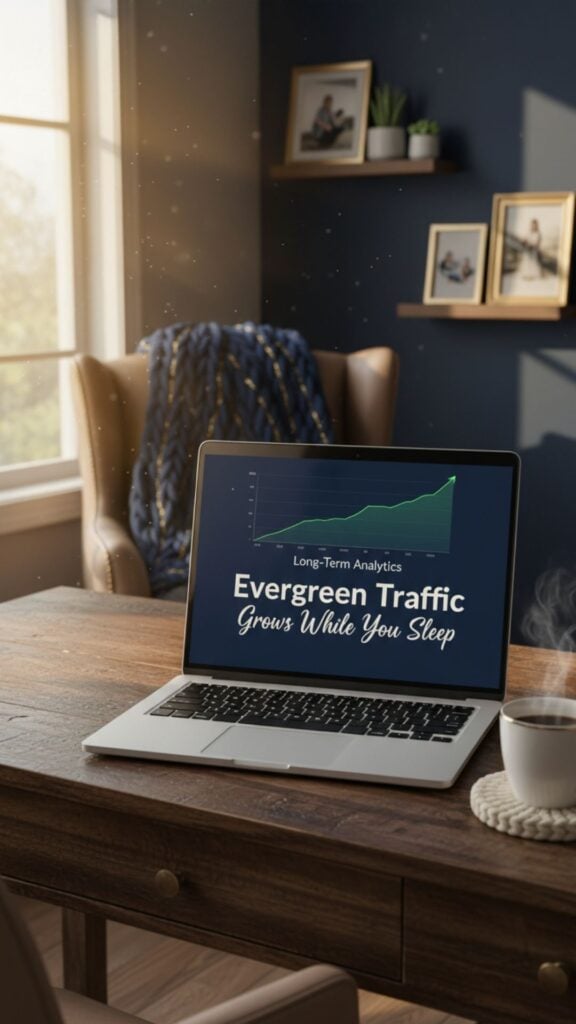
Compounding content is not instant — but it is durable. And when you understand how to plan your content ( timing matters) you can build sustainable organic traffic, leads and sales.
Why This Works Especially Well for Neurodivergent Creators
This system works because:
you create once, not constantly
your content keeps working while you rest
you’re not tied to daily posting
your energy isn’t depleted by trends
your focus stays narrow, not scattered
It supports:
ADHD brains
chronic illness
creative cycles
real life
This is not hustle content.
It’s sustainable creation.
How Compounding Blog Posts Turn Into Income
Over time, SEO blog posts can generate:
affiliate commissions
course sales
service inquiries
brand partnerships
ad revenue
long-term authority
Not because you’re constantly selling — but because trust builds quietly.
People buy from creators they discover repeatedly.
What I Focus On Instead of Chasing Virality
Virality is unpredictable.
Compounding is dependable.
I focus on:
evergreen topics combined with trending and seasonal topics.
search-based questions
content that solves problems
systems instead of spikes
When something does go viral, it lands on a solid foundation — not empty ground.
If You Want to Build This Kind of Content Engine
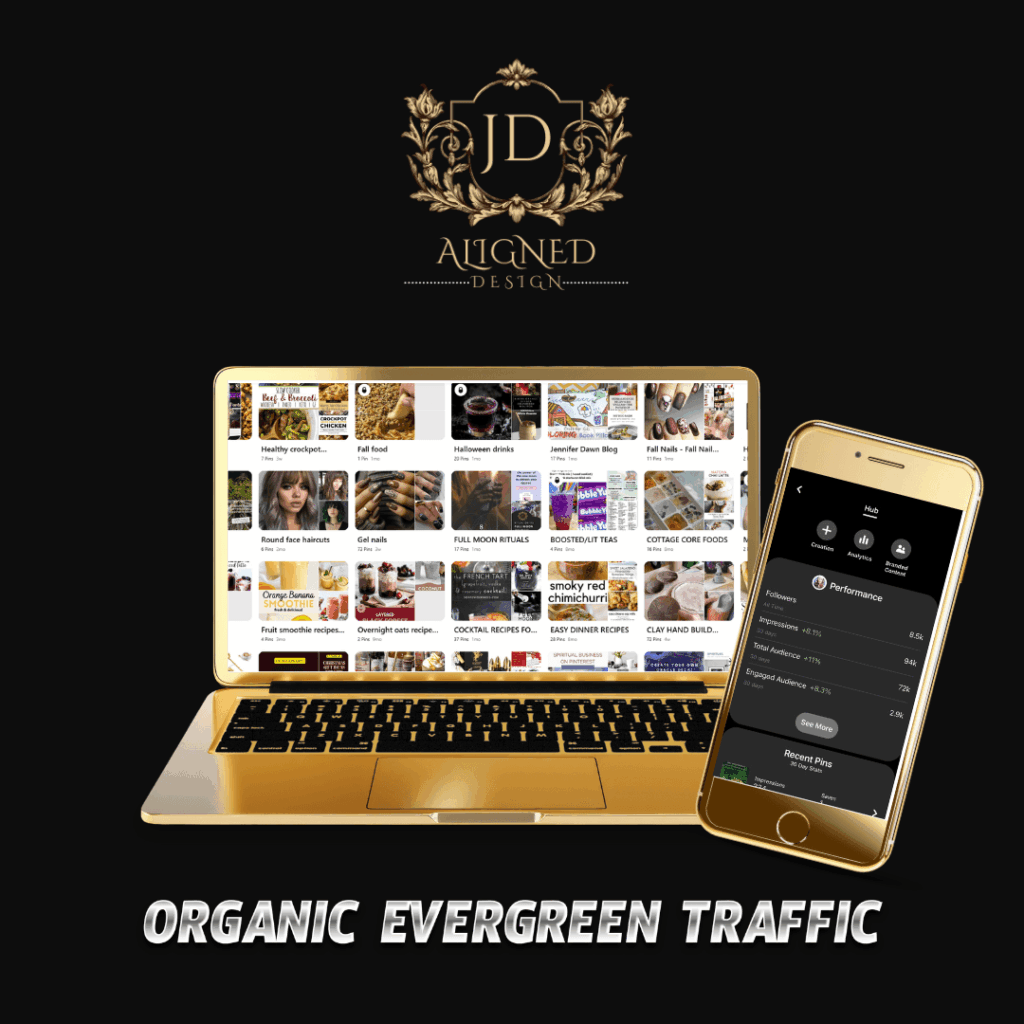
This approach is exactly what I teach inside Pinning for Profit.
Not hacks.
Not gimmicks.
But a sustainable system for creators who want their content to work long after it’s published.
Because freedom doesn’t come from posting more —
It comes from building content that compounds.
OTHER POSTS THAT YOU WILL WANT TO READ.
Frustrated with Pinterest? Learn How To Drive Traffic & Earn Money Pinning.
Pinterest SEO That Pays: How to Turn Pins Into Passive Traffic, Sales & Earnings
How To Use Pinterest To Grow Your Business – The Secrets To Optimizing Pinterest
How to Use ChatGPT to Create Viral Pinterest Content (Without Spending Hours Brainstorming)
How to Make Money Blogging: My Proven Pinterest Strategy for Full-Time Income
Why Every Business Should Be Using Pinterest in 2025 (And How To Profit From It)
Why Pinterest Is Still the Best Visibility Tool for Healers and Creators in 2025
@themsjenniferdawn Turn Many Interests Into Sustainable Income … Being multi-passionate isn’t a flaw. It just needs a different structure. Instead of forcing one niche or one offer, I built a content system that lets multiple interests work together. Blogging creates long-form value. Pinterest keeps it discoverable long after you post. The result? Several income streams from the same content, without constant posting or burnout. This works especially well if your brain doesn’t thrive on rigid rules or daily algorithm pressure. Comment Pinterest to learn more. #multipassionate #neurodivergentcreator #pinterestmarketing #bloggingtips #multipleincomestreams ♬ Manifestation - Perfect, so dystopian