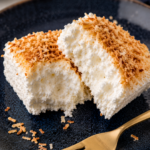

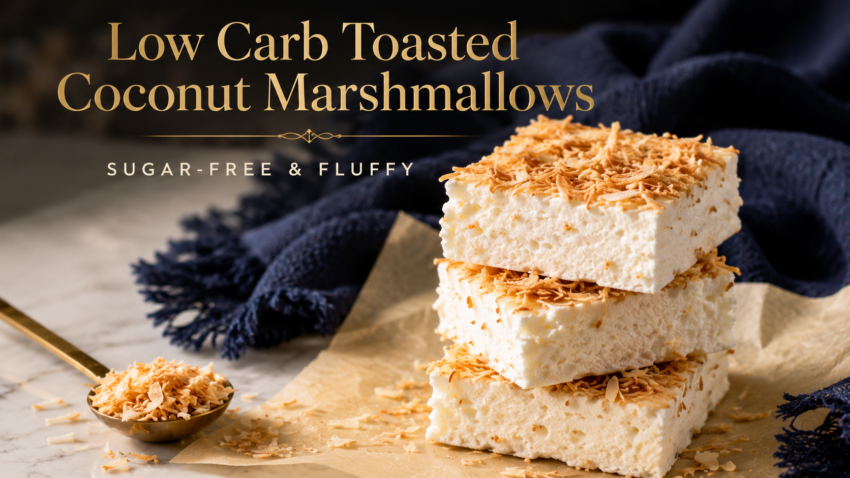
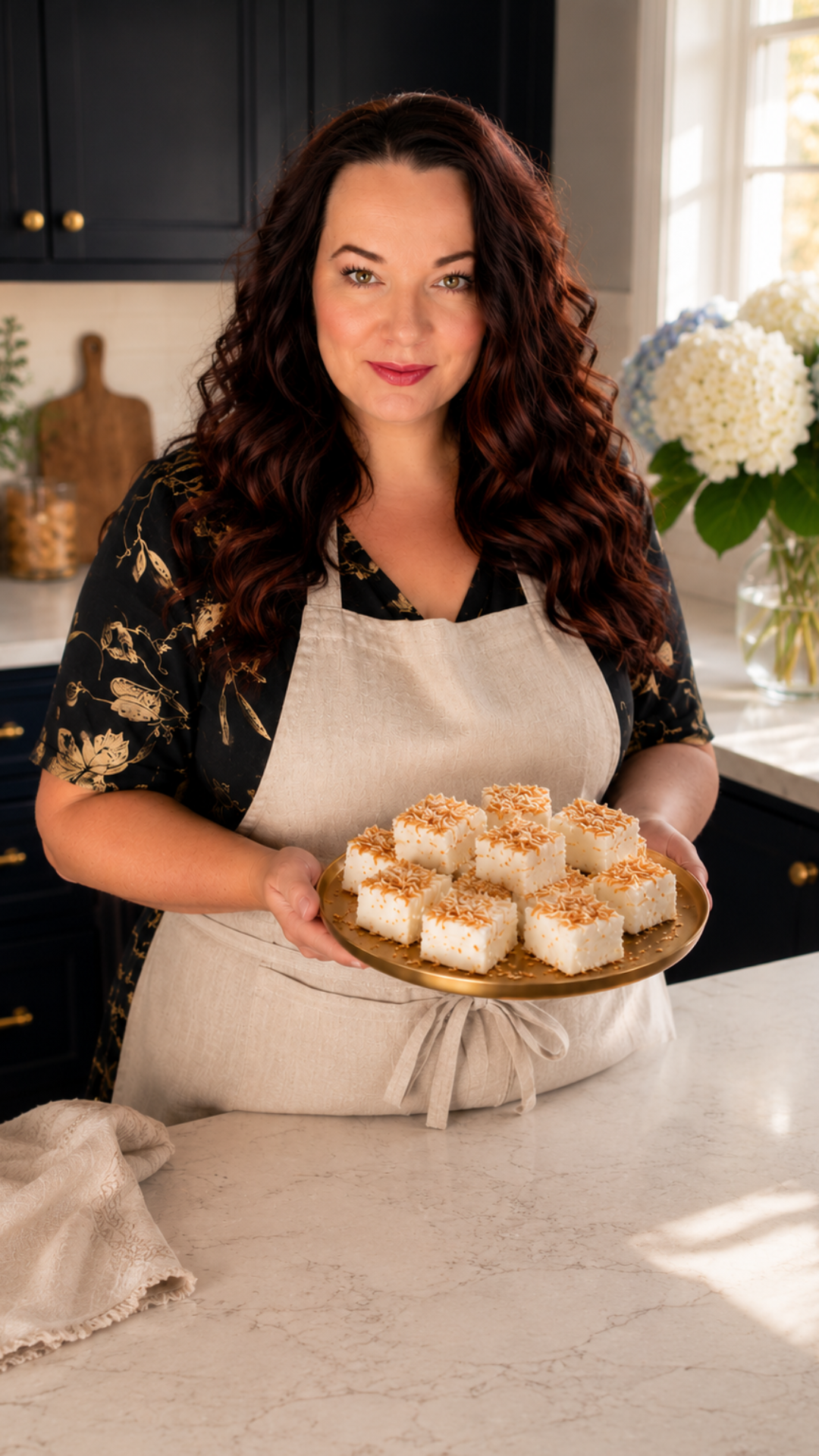
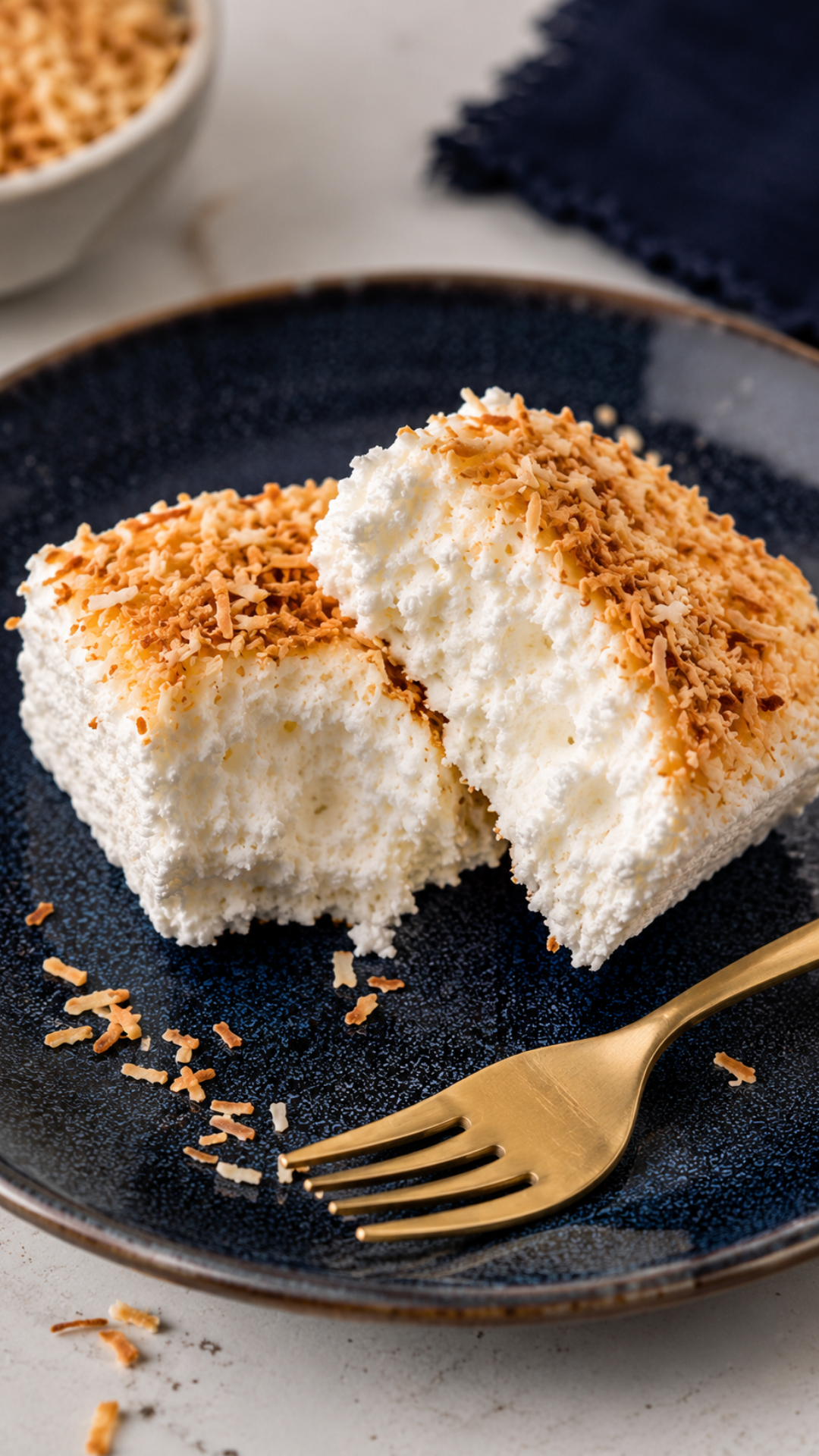
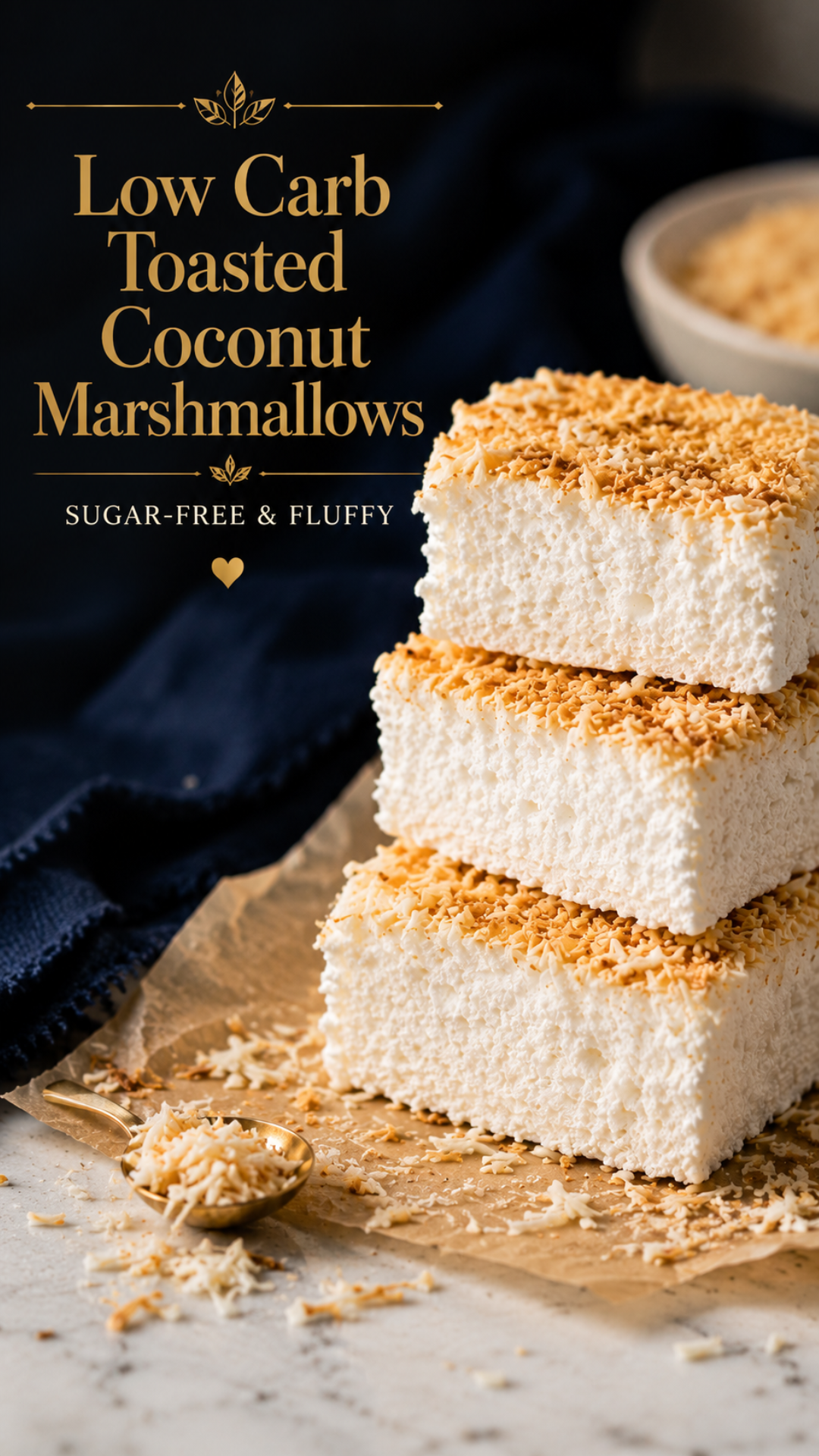
If you love toasted coconut and you’re watching your carbs, these marshmallows hit the sweet spot. They’re soft, bouncy, and lightly caramelized around the edges from a quick toast. You’ll get all the classic marshmallow delight, without the sugar crash.
No corn syrup, no powdered sugar clouds—just a clean, low-carb treat that feels special. Whether you’re snacking straight from the pan or topping a hot cocoa, these will become a new favorite.
This post may contain affiliate links. If you make a purchase through one of these links, I may earn a small commission at no extra cost to you. I only recommend products I genuinely use and love. Thank you for supporting my content.
What Makes This Recipe So Good
- Low carb without weird texture. The combination of gelatin and a smart sweetener blend keeps these marshmallows fluffy and springy, not rubbery.
- Real toasted coconut flavor. Lightly toasting unsweetened coconut flakes brings out a deep, nutty aroma that balances the sweetness.
- No corn syrup or refined sugar. We use allulose (or a blend with erythritol) for that classic marshmallow feel with fewer carbs.
- Quick to make. Hands-on time is about 20 minutes. Most of the magic happens while they set.
- Great for gifting or meal prep. They store well, hold their shape, and look impressive with almost no effort.
Ingredients
- 3 tablespoons unflavored powdered gelatin
- 1/2 cup cold water (for blooming gelatin)
- 1/2 cup water (for the syrup)
- 1 cup granulated allulose, or 3/4 cup allulose + 1/4 cup erythritol
- 1/8 teaspoon cream of tartar (helps stabilize)
- 1/8 teaspoon fine sea salt
- 1 teaspoon pure vanilla extract (or coconut extract for extra coconut flavor)
- 1 1/4 cups unsweetened coconut flakes, divided
- 1–2 teaspoons coconut oil or avocado oil, for greasing
- Optional: 1–2 tablespoons powdered allulose, for dusting
Step-by-Step Instructions
- Prep the pan. Lightly oil an 8×8-inch baking pan.
Line with parchment so it overhangs on two sides. Lightly oil the parchment too. Sprinkle 1/2 cup unsweetened coconut flakes evenly across the bottom.
- Bloom the gelatin. In the bowl of a stand mixer (or a large mixing bowl if using a hand mixer), sprinkle gelatin over 1/2 cup cold water.
Let sit 5–10 minutes to fully bloom.
- Make the syrup. In a small saucepan, combine 1/2 cup water, allulose, cream of tartar, and salt. Bring to a gentle simmer over medium heat, stirring until dissolved. Once clear, stop stirring and let it bubble until it reaches a light, steady simmer for 3–4 minutes.
It doesn’t need a hard candy stage with allulose—just hot and fully dissolved.
- Whip with care. Start the mixer on low to loosen the bloomed gelatin. With the mixer running on low, carefully stream the hot syrup down the side of the bowl into the gelatin.
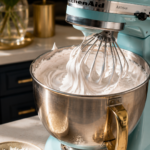
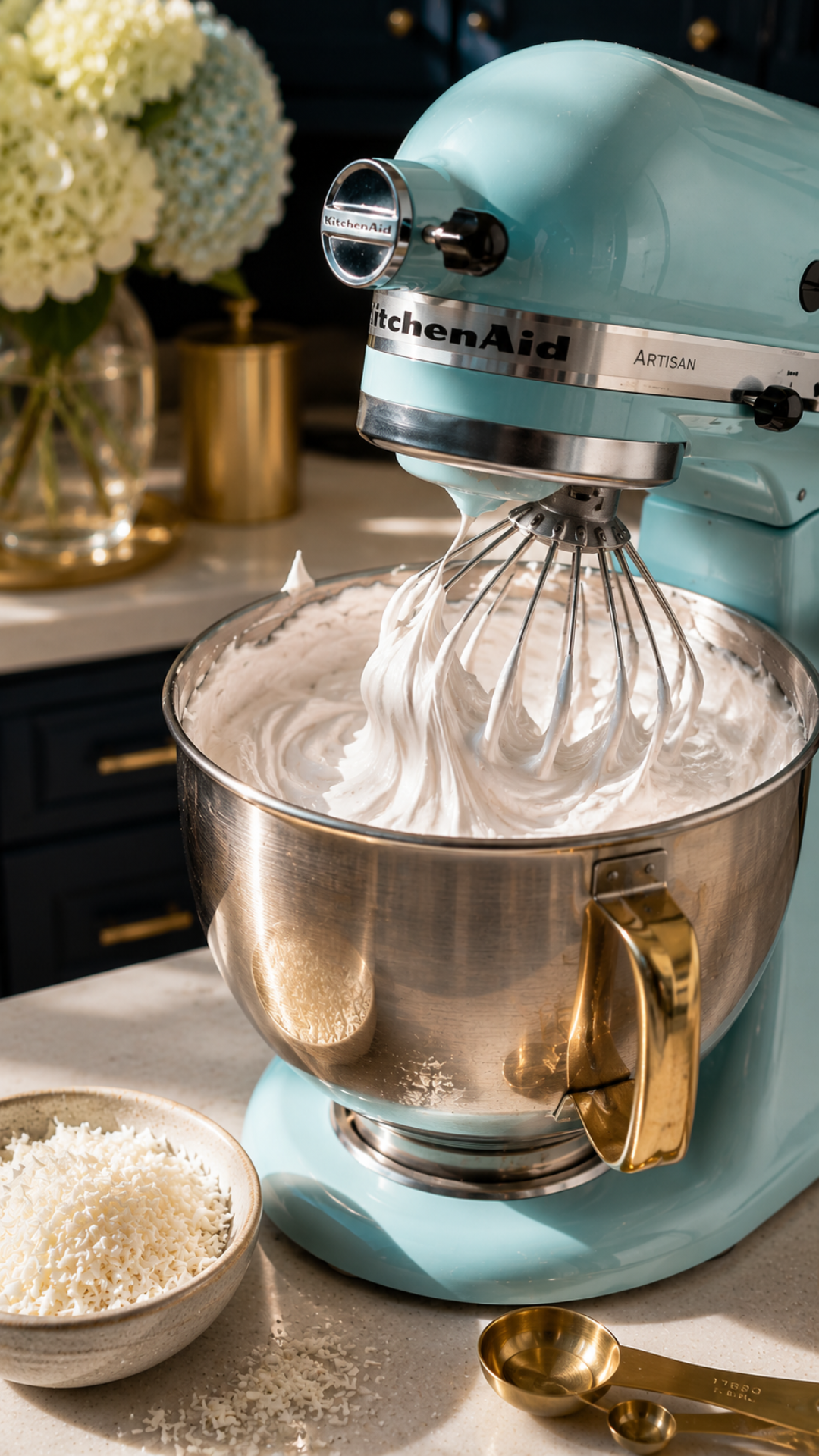
- Beat to fluffy. Increase speed to medium-high and whip 8–10 minutes, until the mixture triples in volume and holds soft, glossy peaks. Add vanilla (or coconut extract) in the last minute.
The bowl should feel just slightly warm, not hot.
- Pour and top. Immediately scrape the marshmallow mixture into the prepared pan and smooth the top with a lightly oiled spatula. Sprinkle another 1/2 cup coconut flakes over the surface, pressing gently so they stick.
- Let it set. Rest at room temperature 4–6 hours, or until firm to the touch. For faster setting, chill uncovered in the fridge for 1–2 hours, then bring to room temp before cutting.
- Toast the coconut. Preheat the broiler to low.
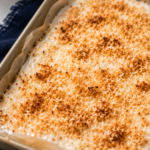
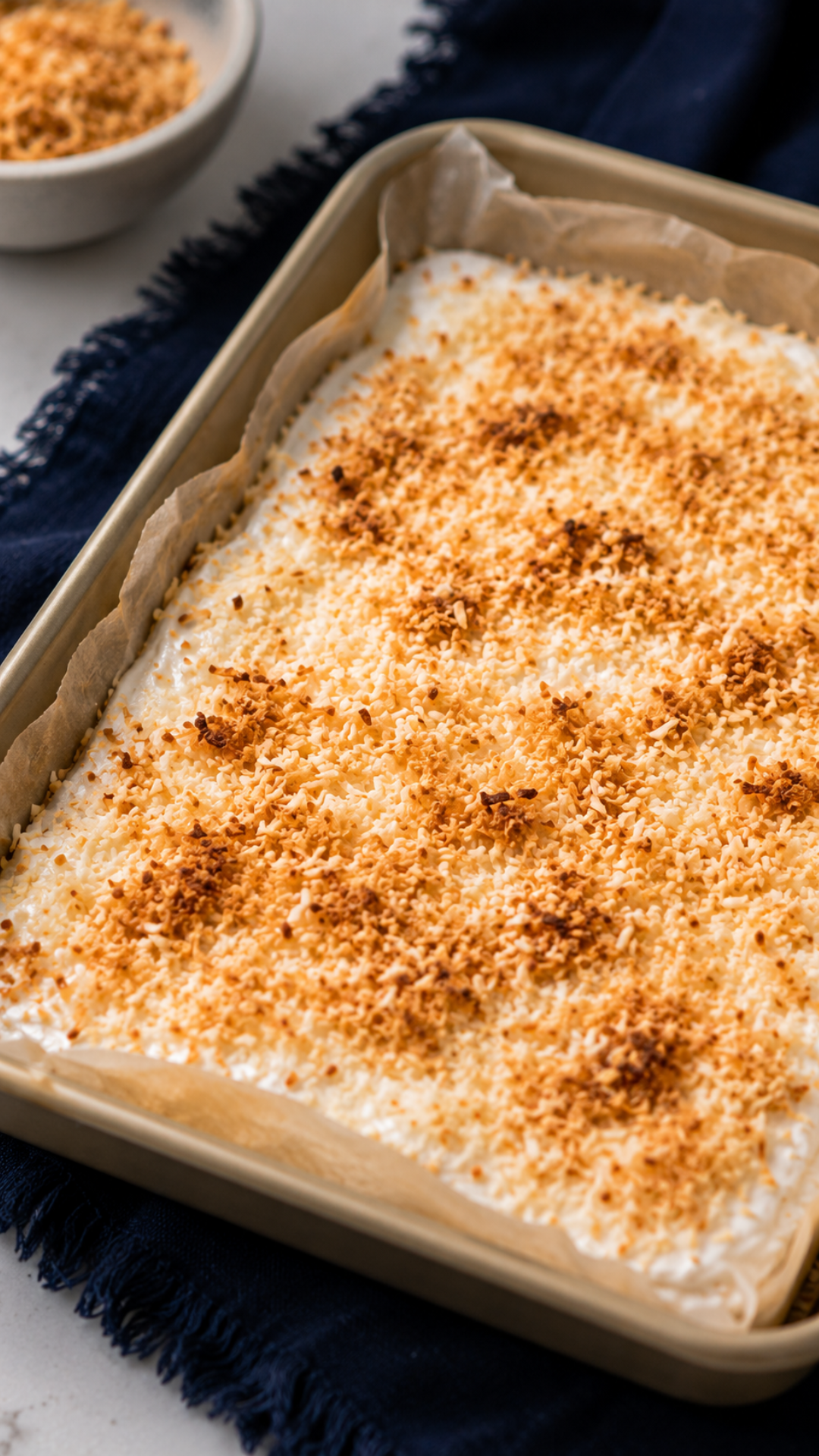
Sprinkle the remaining 1/4 cup coconut flakes over the top of the set slab. Broil 30–60 seconds, watching closely, until the coconut just turns golden. Rotate the pan for even color.
Alternatively, use a kitchen torch for more control.
- Cut and dust. Lift the slab out using the parchment overhang. Lightly oil a sharp knife and cut into 25–36 squares. If desired, toss the cut sides in a little powdered allulose to prevent sticking.
- Final toast (optional). For extra toasty edges, place cut squares coconut-side up on a sheet pan and broil 10–20 seconds.
Keep a very close eye—they brown fast.
Keeping It Fresh
- Room temperature: Store in an airtight container with a sheet of parchment between layers for up to 5 days. Add a silica gel pack if you live in a humid climate.
- Refrigerator: Not required, but you can chill for up to 10 days. Let sit 10–15 minutes at room temp before eating for the best texture.
- Freezer: Freeze in an airtight container for up to 1 month.
Thaw in the container at room temperature to avoid condensation.
Benefits of This Recipe
- Low in net carbs. Using allulose and unsweetened coconut keeps sugars low while maintaining that classic marshmallow chew.
- Gluten-free and dairy-free. Naturally fits many diets without special substitutions.
- Flexible sweetness. You can adjust the sweetener to taste without sacrificing texture.
- Simple ingredients. No corn syrup, weird syrups, or specialty thickeners.
- Great texture control. The whipping time and quick set make it easy to dial in fluffiness.
Pitfalls to Watch Out For
- Under-bloomed gelatin. If the gelatin doesn’t soak long enough, the marshmallows can weep or set too softly.
- Too hot or too cool syrup. A gently simmering, fully dissolved syrup is key. Boiling hard can darken allulose; too cool won’t whip up properly.
- Over-whipping. If you whip past the glossy peak stage, the mixture can start to set in the bowl and become stringy.
- Broiler burn. Toasting coconut happens quickly. Stay with the pan, and rotate as needed.
- Sticking issues. Oil your tools, line the pan well, and dust cut sides if needed.
Recipe Variations
- Vanilla Bean Coconut: Split and scrape a vanilla bean and add the seeds in place of (or in addition to) the extract.
- Mocha Coconut: Whisk 2 teaspoons espresso powder into the hot syrup before adding to the gelatin.
- Key Lime Coconut: Add 1 teaspoon lime zest and 1/2 teaspoon lime extract; finish with a pinch of flaky salt on top.
- Chocolate-Dipped: Once set and cut, dip one side in melted 85–90% dark chocolate or sugar-free chocolate.
Sprinkle with a few toasted coconut flakes.
- Almond Joy Vibes: Swap vanilla for almond extract and finish with a light drizzle of melted chocolate.
- Extra-Soft Marshmallows: Use 2 1/2 tablespoons gelatin instead of 3 for a looser, cloud-like texture.
FAQ
Can I use only erythritol?
Erythritol alone tends to crystallize and can make marshmallows gritty and less bouncy. For best texture, use allulose or a blend where allulose is the main sweetener.
What if I don’t have cream of tartar?
You can skip it, but it helps stabilize the syrup and final whip. A small squeeze of lemon juice can stand in, or simply omit if you must.
Can I make these without a stand mixer?
Yes.
A powerful hand mixer works fine. Just be ready to whip for the full 8–10 minutes and rotate the bowl to keep things even.
How do I prevent the coconut from burning under the broiler?
Use the low broil setting, keep the pan 6–8 inches from the element, and watch constantly. Pull the pan the moment the flakes turn golden at the edges.
Do these melt in hot drinks?
They’ll soften and slowly melt, just like regular marshmallows.
For the best experience, add them right before serving and enjoy while the drink is hot.
Are these keto-friendly?
Yes, provided your macros allow for the small amount of carbs in coconut flakes and the sweeteners you choose. Allulose has minimal impact on net carbs for most people.
Can I make them in a different pan size?
Absolutely. Use a 9×9-inch pan for slightly thinner marshmallows, or a loaf pan for extra thick ones.
Adjust the topping coconut to cover the surface.
Why are my marshmallows sticky?
Humidity and under-whipping can cause stickiness. Dust lightly with powdered allulose or let them air-dry on a rack for 20–30 minutes before storing.
Can I toast the coconut in a skillet instead?
Yes. Toast the flakes dry over medium-low heat, stirring often until golden.
Sprinkle over the marshmallow slab while they’re still warm, then press gently.
What’s the best sweetener for the most authentic texture?
Allulose is the winner here. It dissolves cleanly, stays smooth, and gives that classic marshmallow bite without crystallizing.
Wrapping Up
Low carb toasted coconut marshmallows are simple to make, easy to customize, and way more satisfying than store-bought options. With a few pantry staples and a quick whip, you get soft, springy squares with a golden coconut cap.
Keep a batch on hand for snacks, hot drinks, or gifting—no sugar rush required. Once you see how good these are, you’ll find excuses to make them again and again.
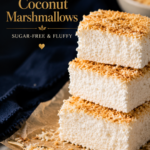
Low Carb Toasted Coconut Marshmallows – Pillowy, Sweet, and Surprisingly Simple
- 3 tablespoons unflavored powdered gelatin
- 1/2 cup cold water (for blooming gelatin)
- 1/2 cup water (for the syrup)
- 1 cup granulated allulose, or 3/4 cup allulose + 1/4 cup erythritol
- 1/8 teaspoon cream of tartar (helps stabilize)
- 1/8 teaspoon fine sea salt
- 1 teaspoon pure vanilla extract (or coconut extract for extra coconut flavor)
- 1 1/4 cups unsweetened coconut flakes, divided
- 1–2 teaspoons coconut oil or avocado oil, for greasing
- Optional: 1–2 tablespoons powdered allulose, for dusting
- Prep the pan. Lightly oil an 8×8-inch baking pan.
Line with parchment so it overhangs on two sides. Lightly oil the parchment too. Sprinkle 1/2 cup unsweetened coconut flakes evenly across the bottom.
- Bloom the gelatin. In the bowl of a stand mixer (or a large mixing bowl if using a hand mixer), sprinkle gelatin over 1/2 cup cold water.
Let sit 5–10 minutes to fully bloom.
- Make the syrup. In a small saucepan, combine 1/2 cup water, allulose, cream of tartar, and salt. Bring to a gentle simmer over medium heat, stirring until dissolved. Once clear, stop stirring and let it bubble until it reaches a light, steady simmer for 3–4 minutes.
It doesn’t need a hard candy stage with allulose—just hot and fully dissolved.
- Whip with care. Start the mixer on low to loosen the bloomed gelatin. With the mixer running on low, carefully stream the hot syrup down the side of the bowl into the gelatin.
- Beat to fluffy. Increase speed to medium-high and whip 8–10 minutes, until the mixture triples in volume and holds soft, glossy peaks. Add vanilla (or coconut extract) in the last minute.
The bowl should feel just slightly warm, not hot.
- Pour and top. Immediately scrape the marshmallow mixture into the prepared pan and smooth the top with a lightly oiled spatula. Sprinkle another 1/2 cup coconut flakes over the surface, pressing gently so they stick.
- Let it set. Rest at room temperature 4–6 hours, or until firm to the touch. For faster setting, chill uncovered in the fridge for 1–2 hours, then bring to room temp before cutting.
- Toast the coconut. Preheat the broiler to low.
Sprinkle the remaining 1/4 cup coconut flakes over the top of the set slab. Broil 30–60 seconds, watching closely, until the coconut just turns golden. Rotate the pan for even color.
Alternatively, use a kitchen torch for more control.
- Cut and dust. Lift the slab out using the parchment overhang. Lightly oil a sharp knife and cut into 25–36 squares. If desired, toss the cut sides in a little powdered allulose to prevent sticking.
- Final toast (optional). For extra toasty edges, place cut squares coconut-side up on a sheet pan and broil 10–20 seconds.
Keep a very close eye—they brown fast.

Printable Recipe Card
Want just the essential recipe details without scrolling through the article? Get our printable recipe card with just the ingredients and instructions.